


About Me
Overview
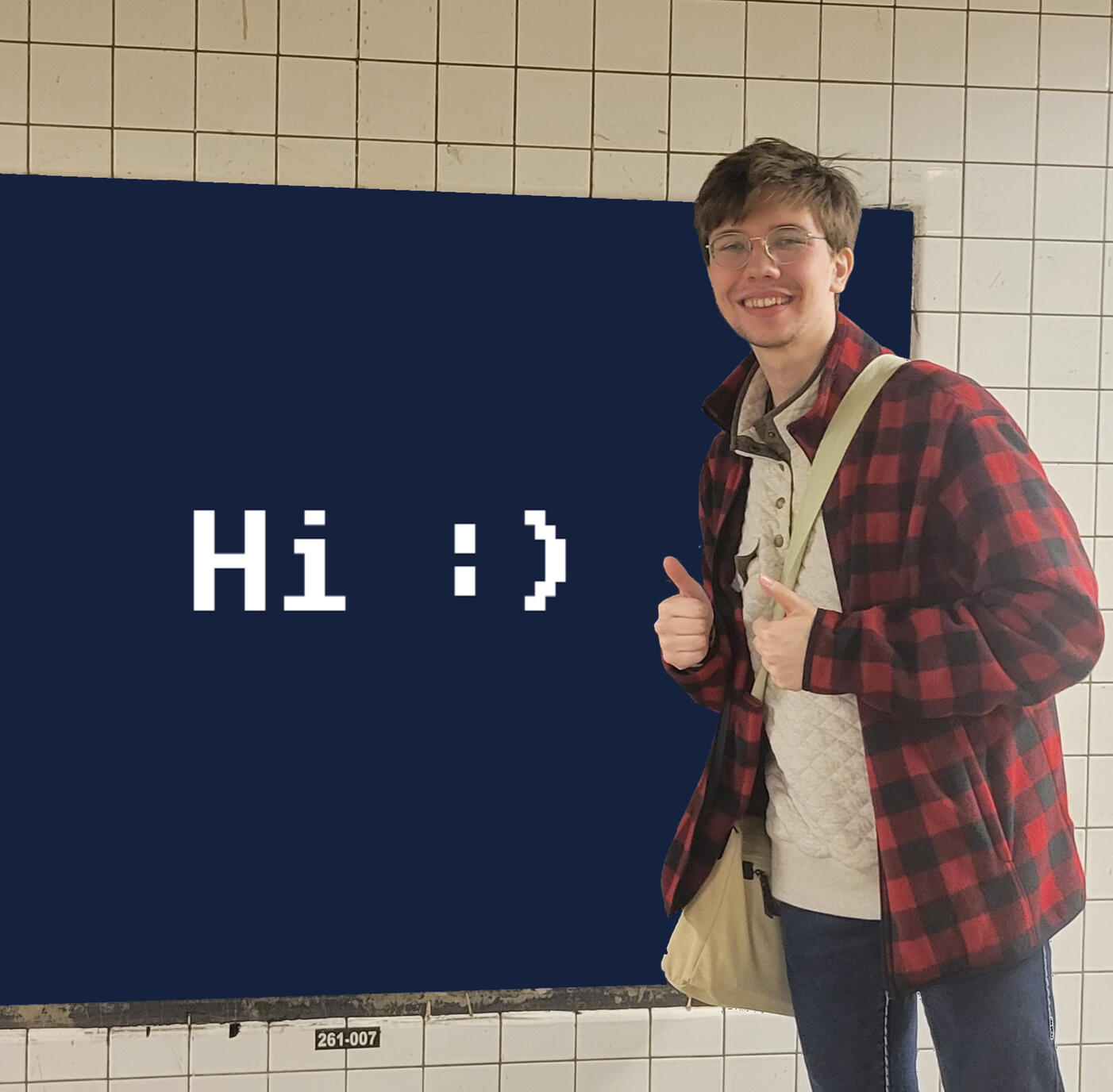
I make games. Most of them are pretty cool.Currently a student studying under CCNY's Digitial Game Development Program, alongside EGD Collective's Game Studio Program.I'm the Executive Producer for "Studio Aspen," EGD's Mock-AAA student where I lead over 70 students on a single game over the course of a school year.
Highlights
• 18+ projects in leadership, design, production, and programming
• Award-winning games at multiple events
• Two consecutive awards at NYU's Global Game Jam
• Executive Producer for a 70+ student studio
FAVORITE Projects


2025

PROJECT LEAD
ss(5🧑)mm(5 Team Members)ee | ss(📅Jan '25)mm(Jan '25 | 4 Days)ee | ss(🏆)mm(Audience Choice Award @NYU Game Center)ee

Programmer and Designer
ss(2🧑)mm(2 Team Members)ee | ss(Jan '25📅)mm(Jan '25 | 7 Days)ee

Designer and Programmer
ss(2🧑)mm(2 Team Members)ee | ss(May '25📅)mm(May '25 | 2 Months)ee

Design Producer
ss(🧑100+)mm(100+ Team Members)ee | ss(📅May '25)mm(May '25 | 9 Months)ee

Technologist
ss(6🧑)mm(6 Team Members)ee | ss(July '25📅)mm(July '25 | 4 Days)ee | ss(🎭)mm(Mixed-Reality Musical)ee
2024

Project Lead
ss(5🧑)mm(5 Team Members)ee | ss(Jan '24📅)mm(Jan '24 | 3 Days)ee | ss(🏆)mm(Best Use of Theme Award @NYU Game Center)ee

Programmer and Designer
ss(40+🧑)mm(40 Team Members)ee | ss(June '24📅)mm(June '24 | 8 Months)ee

Project Lead + Intern
ss(2🧑)mm(2 Team Members)ee | ss(July '24📅)mm(July '24 | 1 Month)ee | ss(🎲)mm(Climate Game Jam)ee

Project Lead
ss(4🧑)mm(4 Team Members)ee | ss(July '24📅)mm(July '24 | 2 Days)ee | ss(🎲)mm("Water" Game Jam)ee

Programmer and Designer
ss(4🧑)mm(4 Team Members)ee | ss(Aug '24📅)mm(Aug '24 | 2 Weeks)ee | ss(🎲)mm(Mental Health Game Jam)ee


Programmer and Designer
ss(5🧑)mm(5 Team Members)ee | ss(Aug '24📅)mm(Aug '24 | 2 Days)ee | ss(🎲)mm(Decay Game Jam)ee

Sole Developer
ss(1🧑)mm(1 Team Member)ee | ss(Nov '24📅)mm(Nov '24 | 2 Days)ee | ss(🎲)mm(Homage Game Jam)ee

2023


Designer
ss(7🧑)mm(7 Team Members)ee | ss(Apr '23📅)mm(Apr '23 | 2 Days)ee | ss(🎲)mm(Bee Game Jam)ee

Programmer and Designer
ss(7🧑)mm(7 Team Members)ee | ss(Sep '23📅)mm(Sep '23 | 2 Weeks)ee | ss(🎲)mm(Unthemed Game Jam)ee

Project Lead
ss(4🧑)mm(4 Team Members)ee | ss(Dec '23📅)mm(Dec '23 | 1 Month)ee | ss(🎲)mm(Unthemed Game Jam)ee
Experience

Game Studio Program Fellow
A game development fellowship program involving team-based learning and industry preparation

Developer Intern
Industry internship developing unit testing infrastructure and features for CapitalismCraft, a business management simulator

Project Lead
A summer internship program where industry-mentors guided me in the development of a 1-month jam, starting from conceptualization to release
Refold
🛠️Lead Game Designer
🧑Team of 4
📅4 months, Apr '23
🏆Best Overall GSP Game ~EGD '23
Overview
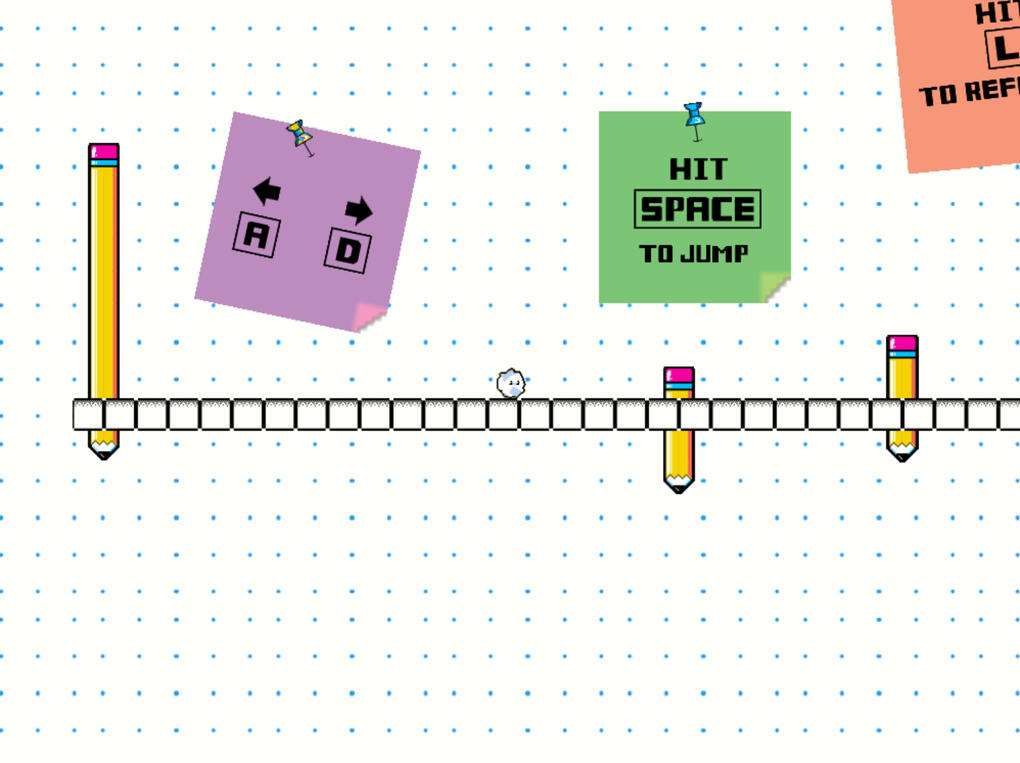
Control a crumpled ball of paper that can transform into different origami shapes, each with different abilities!Led game, level, and audio design for a 4-person freshman team in EGD's Exploration Program

Contributions & Information
Concepting
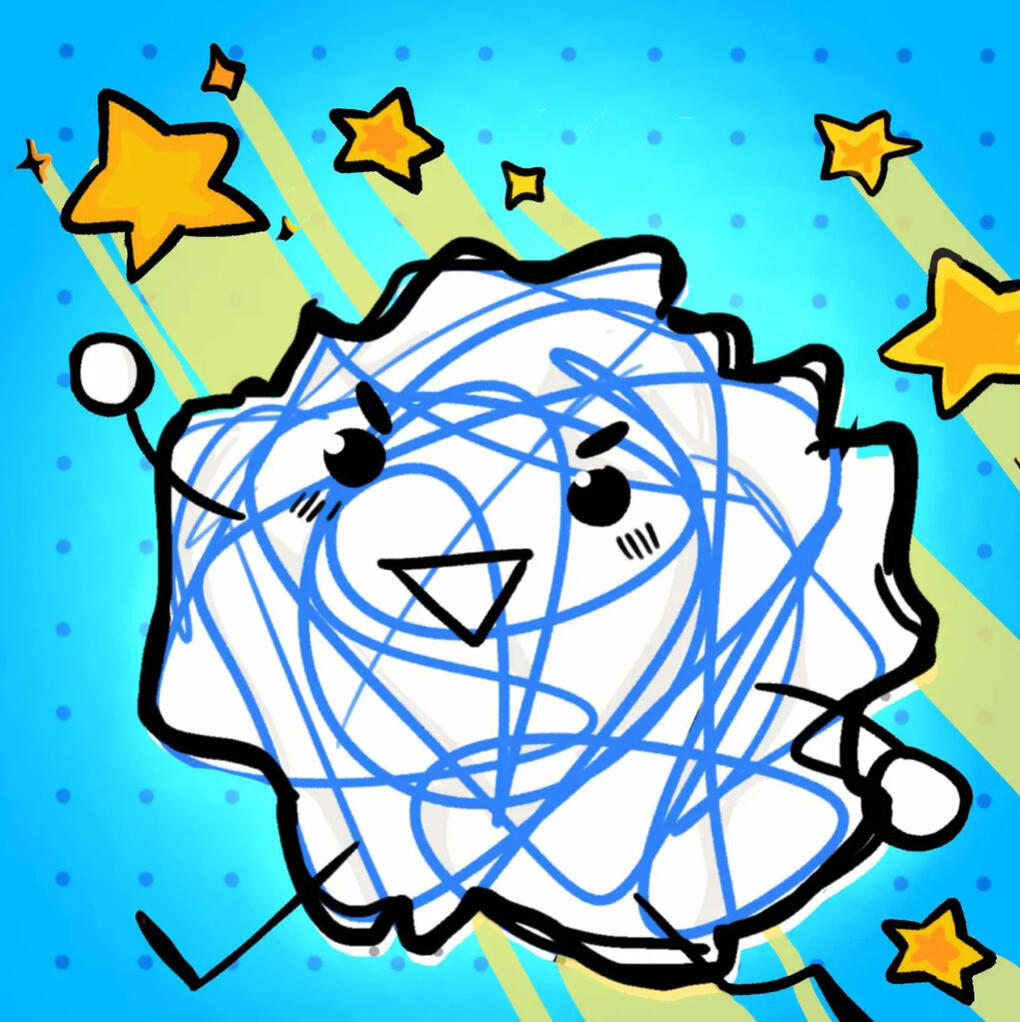
Inspired by my love of crafting paper cranes, I proposed a shape-shifting paper ball concept to my team. After exploring multiple game genres, we settled on a 2D platformer that showcased our core mechanic.
I designed three distinct player forms - Ball (Speed), Crane (Gliding), and Frog (Double-Jumping) - each solving different platforming challenges.
Level Design
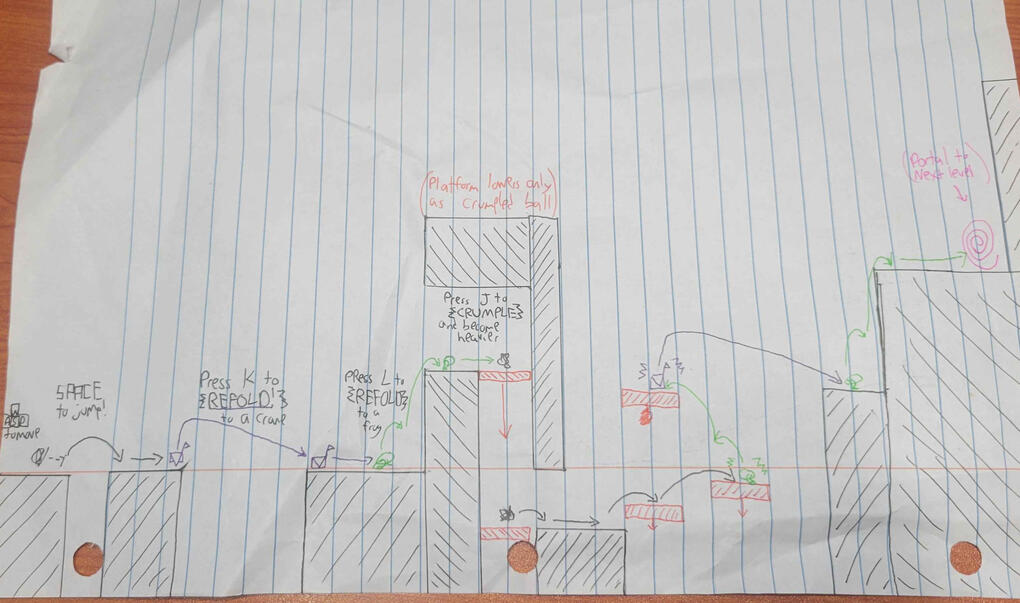
I hand-drafted level outlines on looseleaf paper, emphasizing form-switching as the core mechanic. I required players to master one form before progressing to multi-form challenges. This approach created a steady learning curve from single-form tutorials to complex multi-form platforming sequences.
Playtesting
Early tutorial levels proved too difficult during playtesting at CCNY's Unreleased Games Arcade. I observed player behavior and simplified the difficulty curve accordingly.
Audio
I composed music and SFX using real paper sounds and foley techniques, matching the game's tactile paper aesthetic. Despite limited music experience, I kept compositions simple and joyful to complement gameplay.

Exploration Program
An introductory program ran by EGD Collective to introduce interested freshmen to the world of Game Development.
General-Overview
Sling Bee
🛠️Lead Game Designer
🧑Team of 7
📅2 days, Apr '23
🎲Bee Themed Game Jam
🏆1st Place in Accessibility
Overview
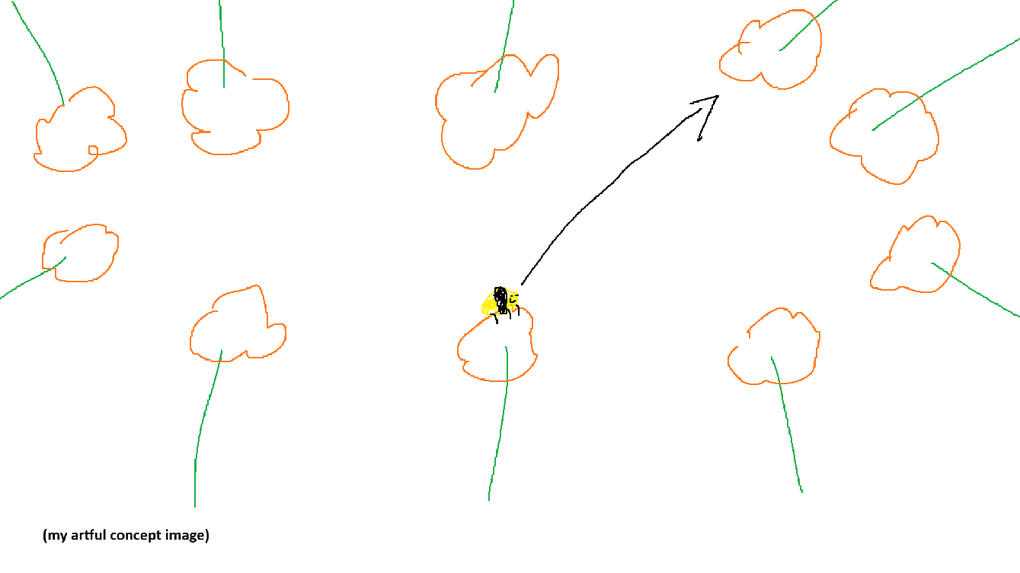
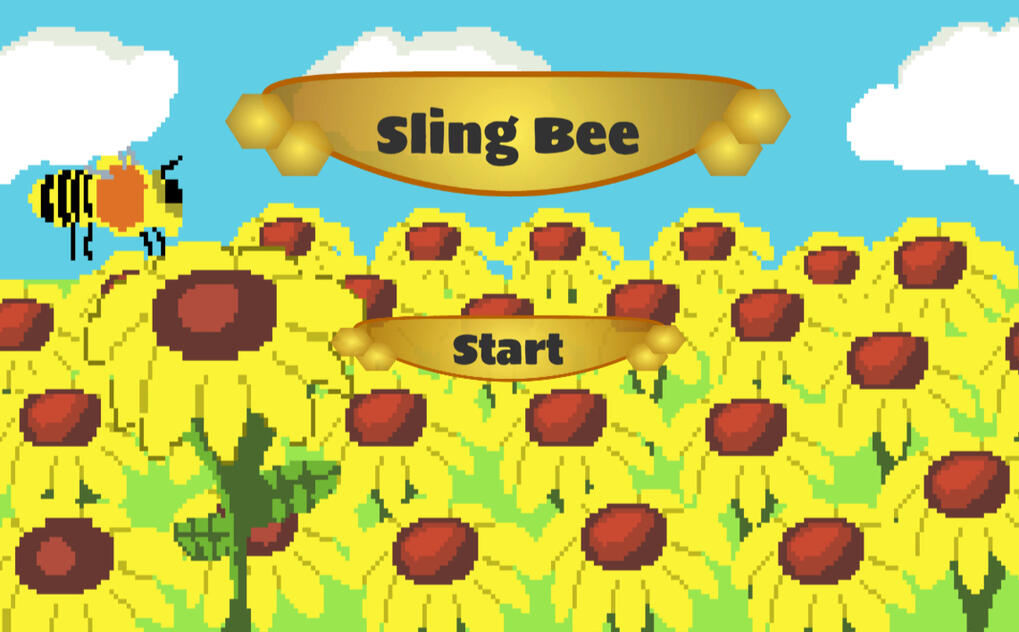
A high score based game where you sling your bee from flower-to-flower to keep them all pollinated!

Contributions & Information
CONCEPTING
Inspired by Super Mario Galaxy's "Sling Pods," I pitched a bee-themed high-score game during our evening brainstorming session. I created a rough MS Paint concept sketch to communicate the core slinging mechanic and pollination gameplay loop to the team.

Project Management
When I couldn't attend the jam day, I created detailed task lists and a game design summary for each team member the night before. This ensured development could continue smoothly without confusion during my absence.
SGDA x EGD Game Jam
A 2-day game jam where teams developed bee-related games. Sling Bee achieved top 5 placement in multiple categories: 4th Overall, 2nd Audio, 1st Accessibility, and 5th Gameplay.
Opossum Ops
🛠️Lead Programmer
🧑Team of 7
📅2 weeks, Apr '23
🎲EGD Game Jam
Overview
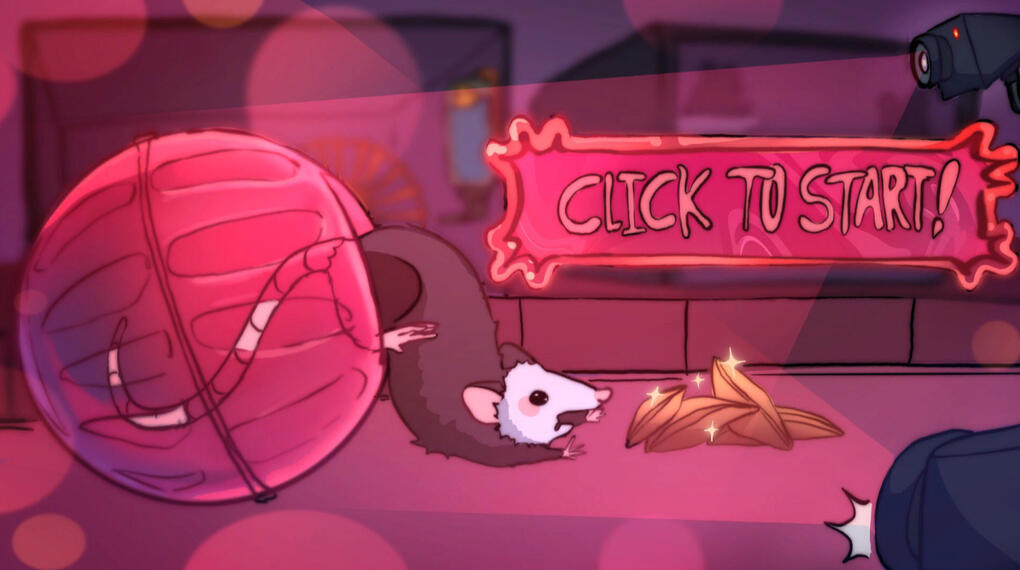
You're an Opossum who has just escaped its cage in a pet store! Collect food pellets and avoid detection using physics-launching to make your escape!

Contributions & Information
CONCEPTING
I pitched a ball-based launching mechanic, The team liked the idea and we adapted it around available animal assets, creating an opossum escape scenario in a pet store setting.

Programming
As sole programmer, I implemented the core physics-based movement system and pellet collection mechanics. I overcame beginner challenges with Rigidbodies, impulses, line renderers, and colliders, then solved level design constraints by using ProBuilder to create custom level shapes.

Technical Implementation
I programmed all designer-requested features and integrated art assets, built the complete level with decorations, and created the title screen and game-over screen to deliver a finished product.

EGD GAME JAM
A 2-week team project for Game-Studio Program students, where I served as sole programmer for the first time, gaining experience with Unity's physics systems and collaborative development workflows.
Chick Chase
🛠️Project Lead
🧑Team of 4
📅1 month, Nov '23
🎲EGD Game Jam
Overview
A high-score game where you have to launch yourself to catch as many chickens as you can!

Contributions & Information
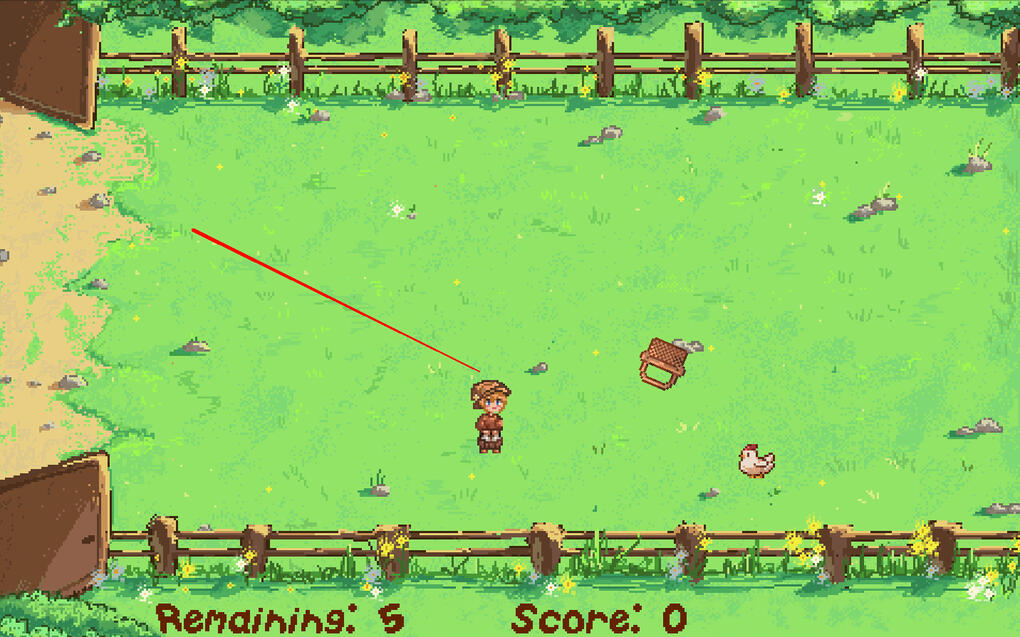
CONCEPTING & SCOPE MANAGEMENT
I initially pitched "Balldyseus" with a detailed GDD, but recognized our team couldn't build the complex systems needed within the timeline. I pivoted to a simpler high-score concept with farm theming, keeping the core physics-based movement while ensuring deliverable scope.
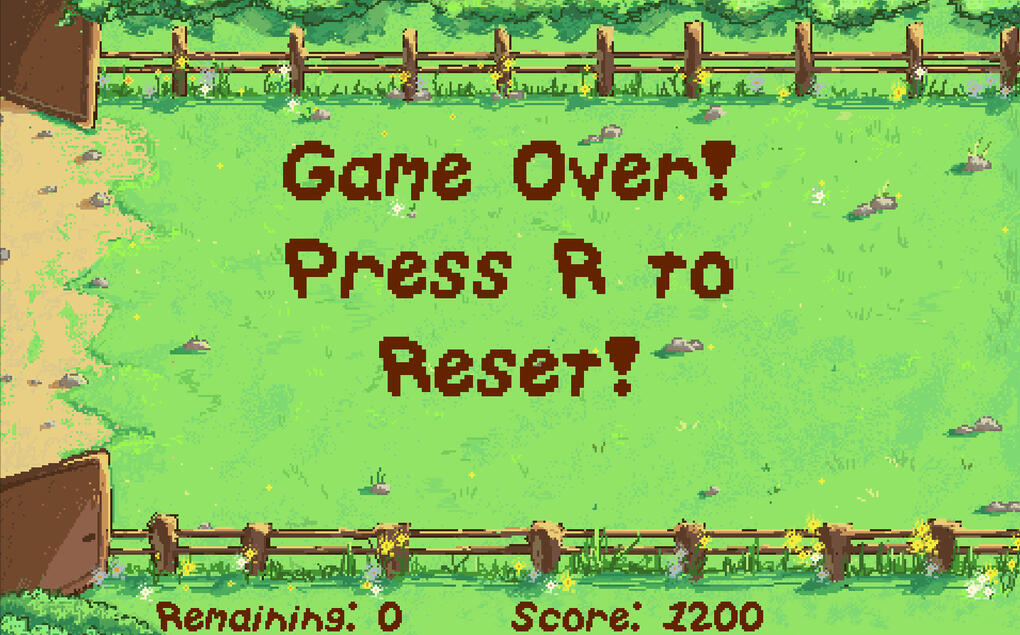
PROGRAMMING & DESIGN
I adapted the physics movement system from Opossum Ops and refactored it for 2D gameplay. I implemented the complete game design including score systems, chicken catching mechanics, and visual feedback elements.

EGD GAME JAM
A month-long team game jam for Game Studio Program students where I served as project lead, coordinating art, audio, design, and programming while managing scope to meet deadline constraints.
Joke's On You!
🛠️Project Lead
🧑Team of 4
📅3 Days, Jan '24
🎲Global Game Jam
🏆"Best Use of Theme" ~GGJ @NYU Game Center
Overview
The King's financial committee has declared that, due to budget-cuts, only one Jester will be able to keep their job! As such, each Jester will take turns doing an Impromptu Performance for the King!

Contributions & Information
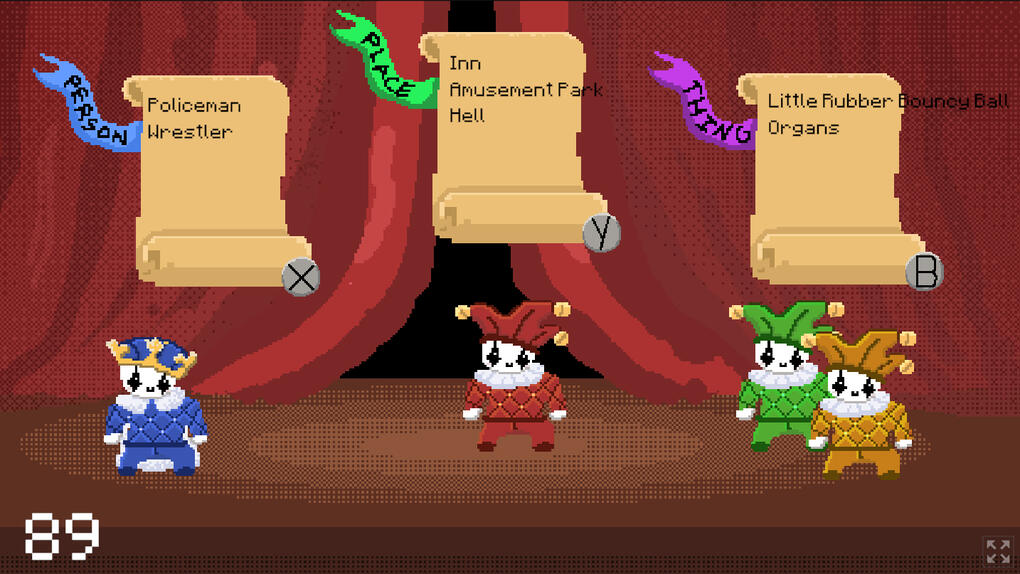
CONCEPTING & SCOPE
Inspired by "Jackbox Party Pack," I designed a social party game where one player is the king and others are jesters trying to make them laugh. I added a twist: the king can press X, Y, or B to spawn random elements that jesters must incorporate into their performances.
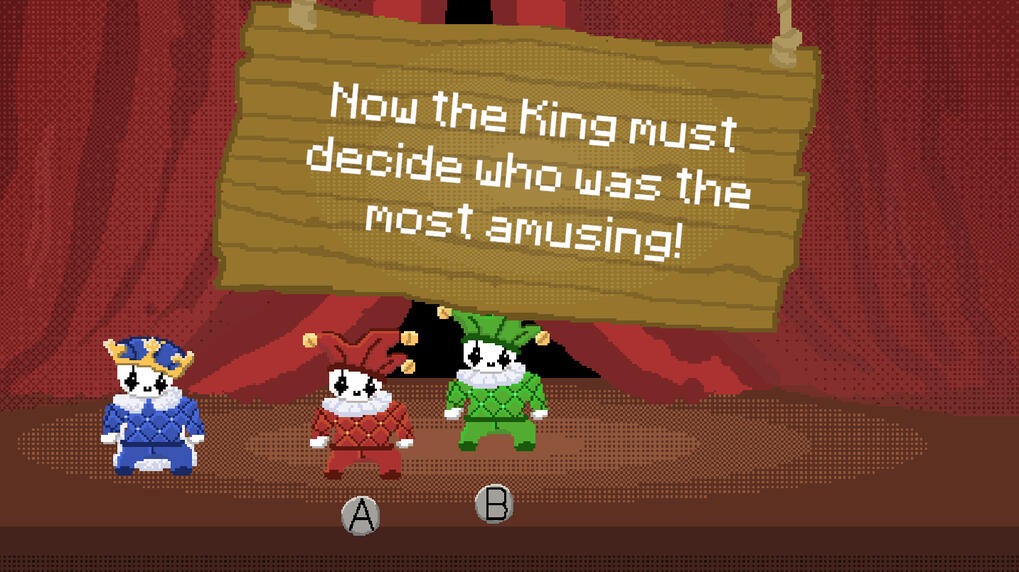
TECHNICAL DEVELOPMENT
As a beginner coder, I learned to prioritize function over form for rapid development. I abandoned complex modular systems in favor of simple, linear code that delivered the core concept within the 3-day timeline.
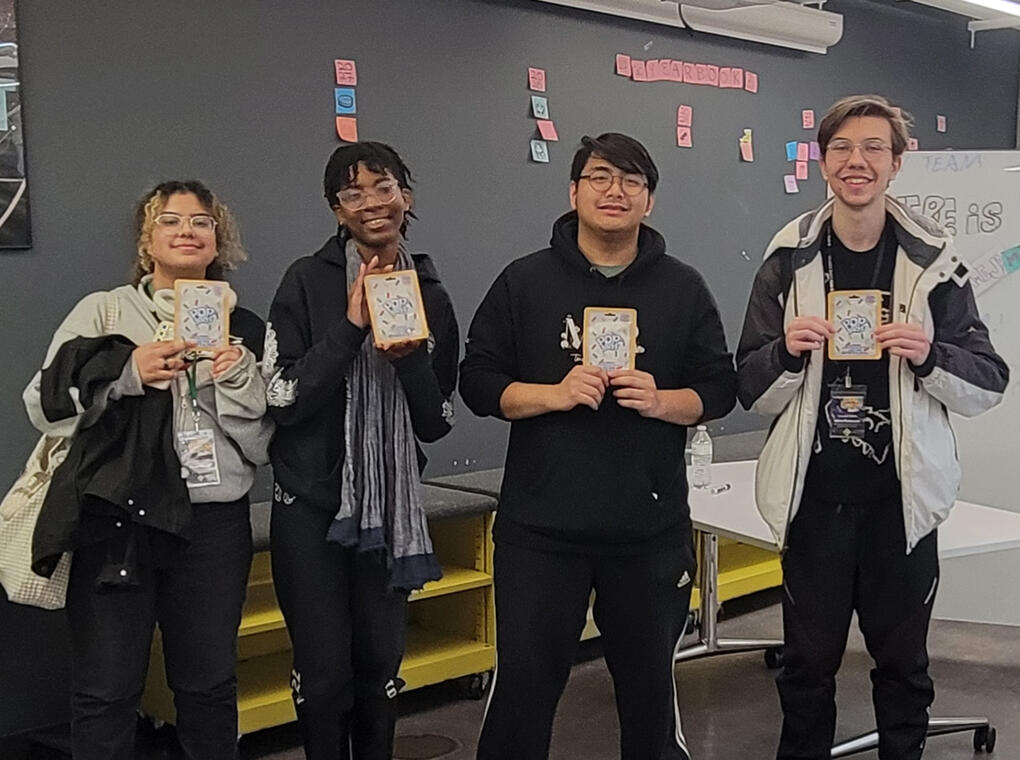
PROJECT MANAGEMENT & PRESENTATION
I coordinated technical work while managing team tasks and progress tracking. During the showcase, our game's social elements created laughter and engagement, leading judges to award us "Best Use of Theme."
GLOBAL GAME JAM @ NYU
My first Global Game Jam. A 3-day international event where teams create games around a shared theme, this year being "Make Me Laugh." Participated at NYU Game Center's GGJ site, which had it's own hand-picked judges and awards.
Striking Hell
🛠️Junior Programmer | Designer
🧑Team of 40
📅10 months, June '24
🎲EGD Game Jam
Overview
A 3D retrowave platformer where you must use your sentient sword to fight back against Hell's oppressors and liberate it!

Contributions & Information

What's Studio Aspen?
A mock-AAA studio where roughly 50 students collaborate on a year-long game project. Teams are organized into Design, Programming, Art, and Audio disciplines with leads and an Executive Producer, simulating professional workflows.
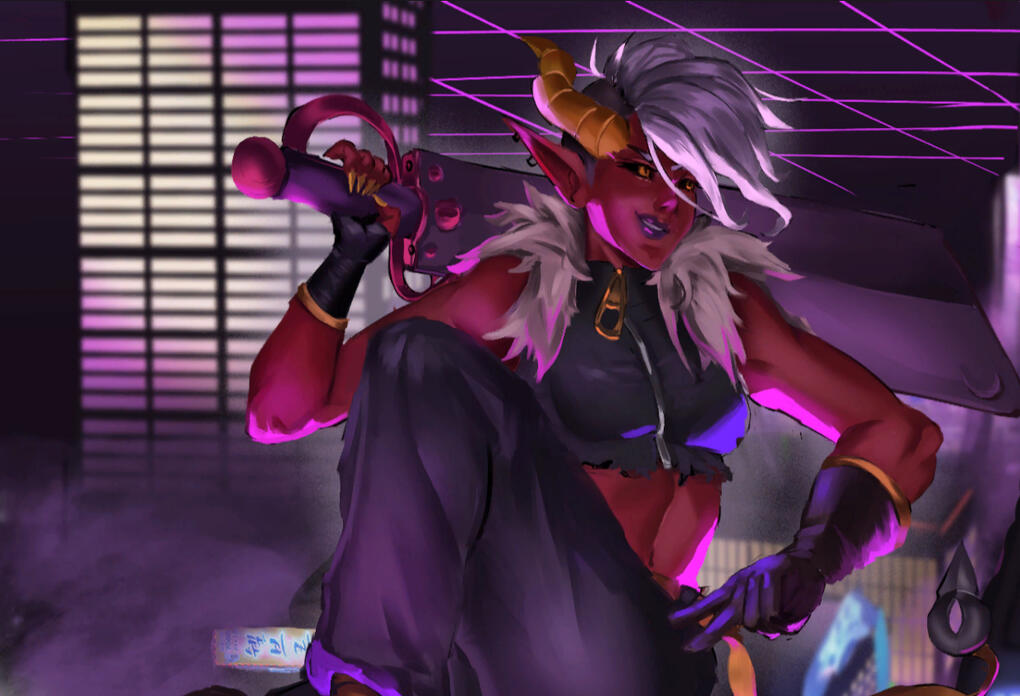
Living Sword
An initial concept we were pursuing was the "living sword" concept where the sword and player are separate entities with opposing wills, centered around blood mechanics. I explored gameplay ideas like "blood-points" that attract your sword and splitting the character into two seperate being, though we ultimately kept a more straightforward approach while maintaining the core blood mechanic
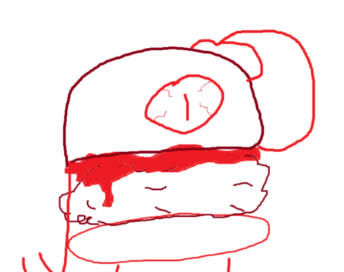
ENEMY DESIGN
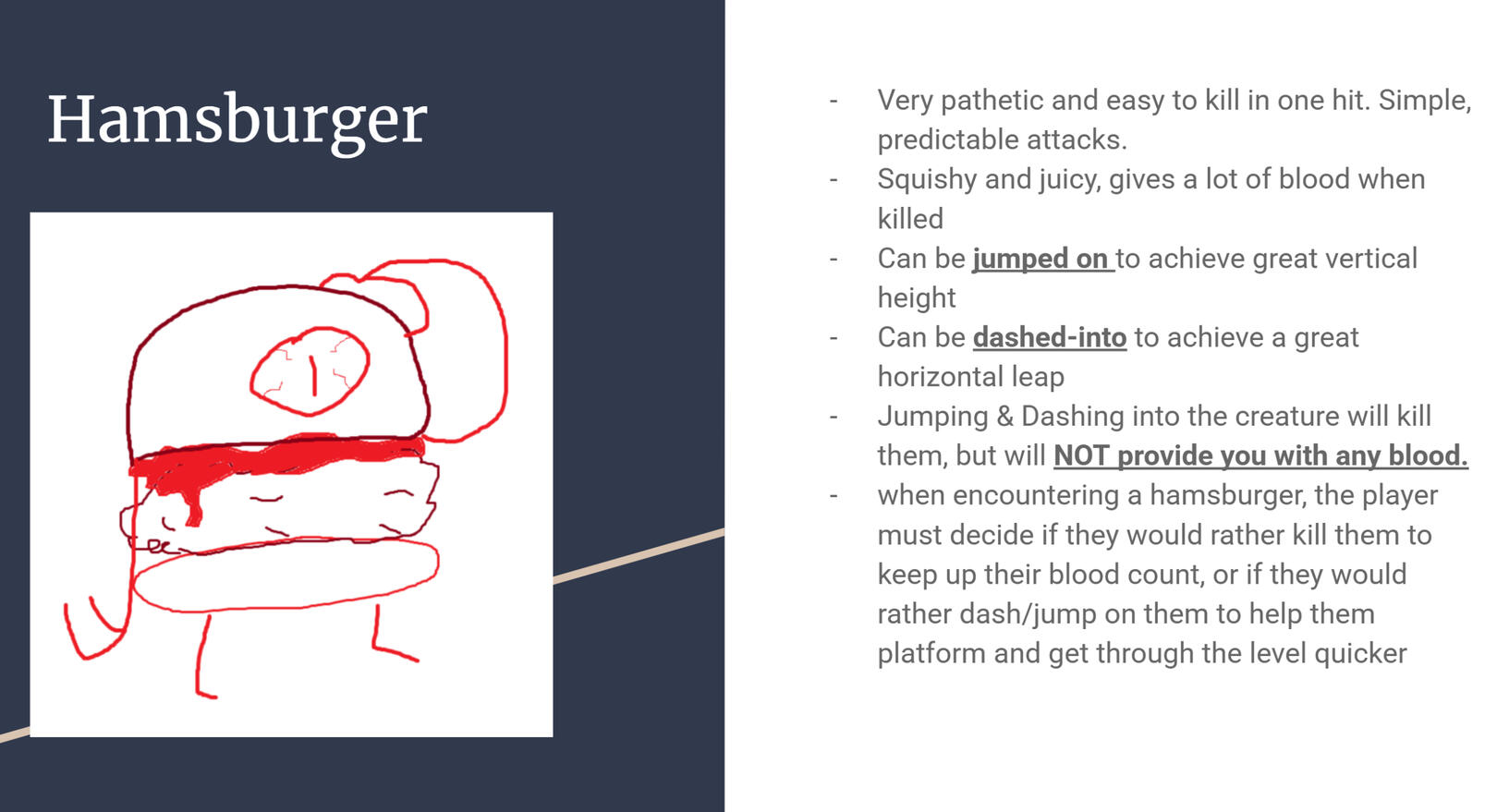
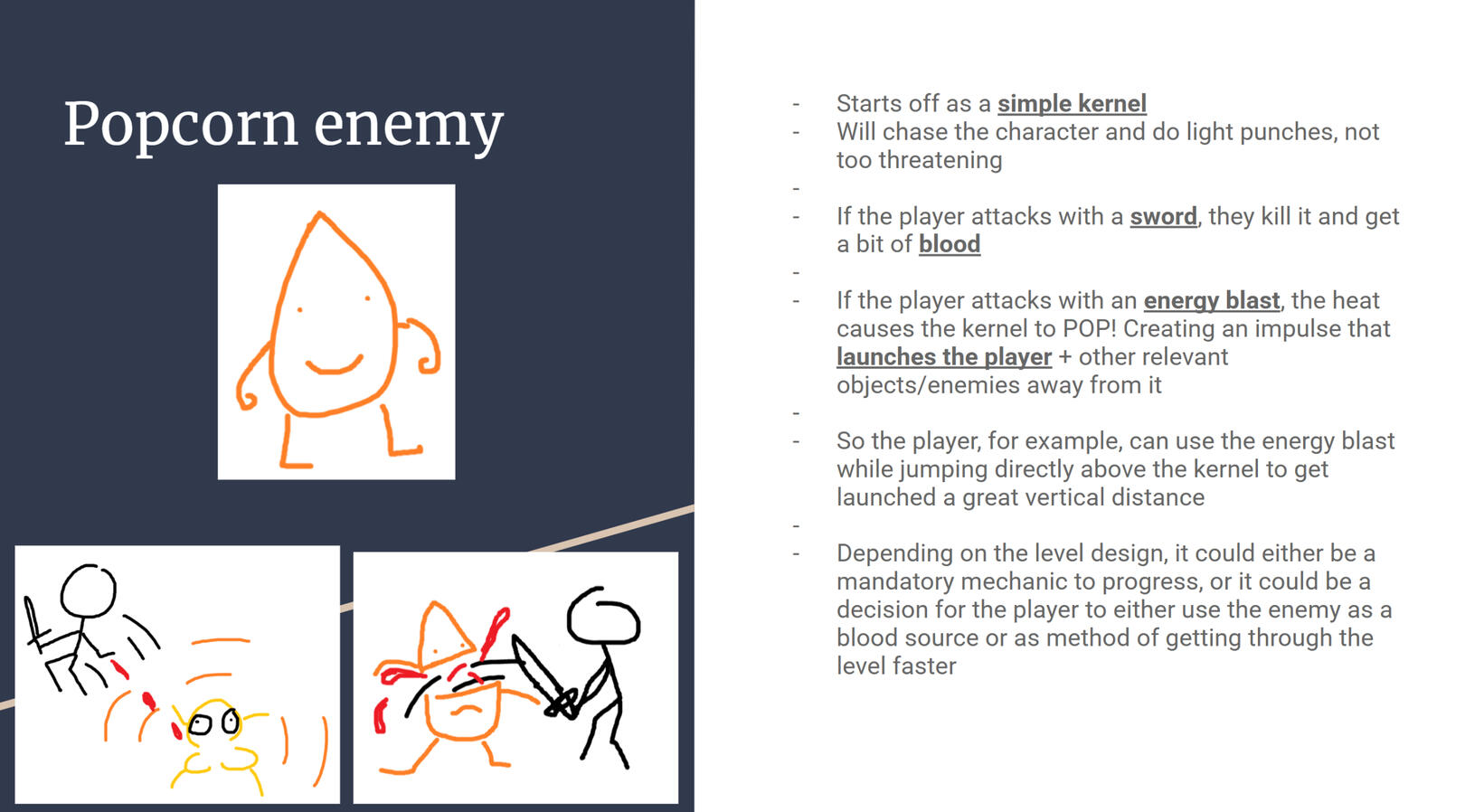
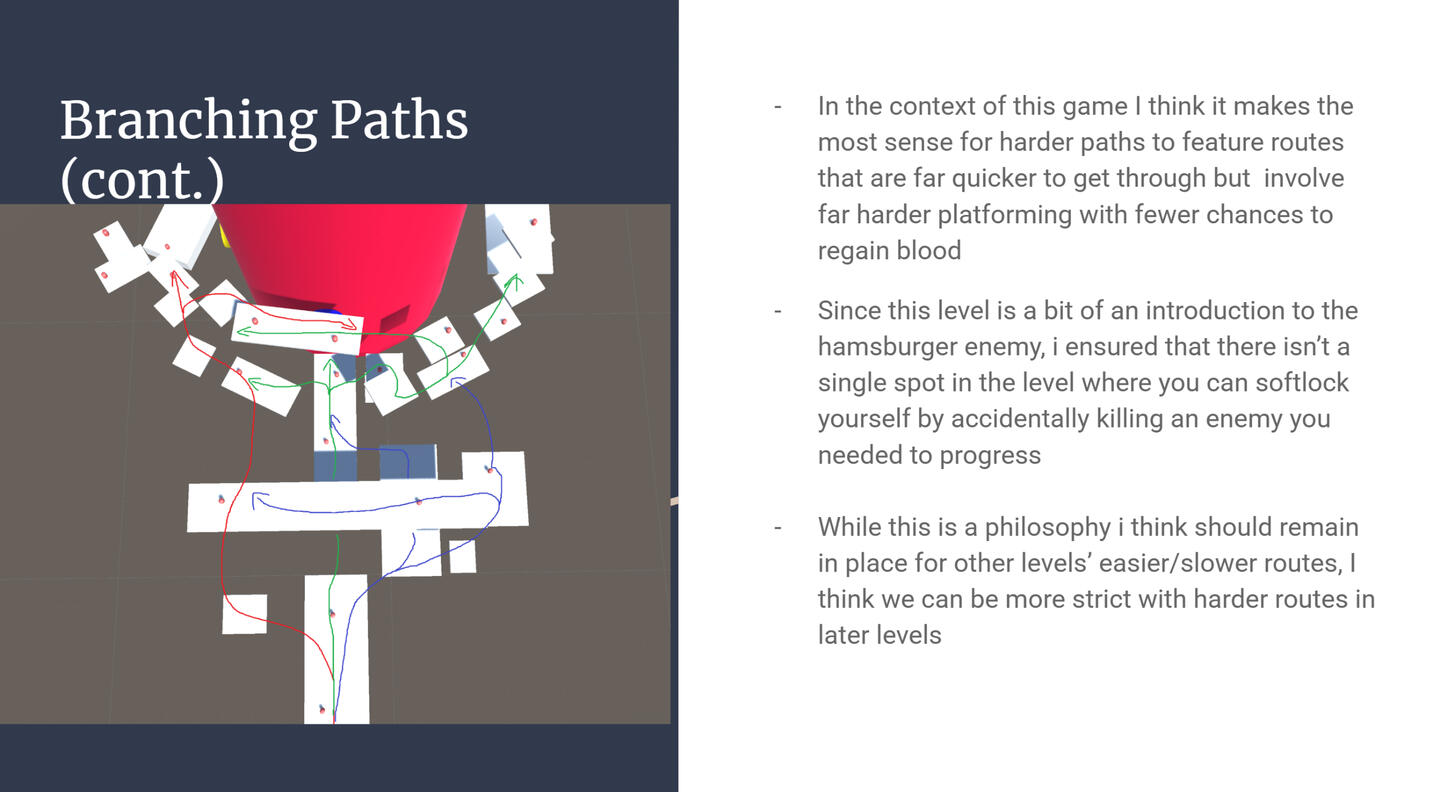
I designed enemies that reinforced the platforming-first, combat-second philosophy. The Hamburger enemy forced players to choose between killing for blood or using it as a platform for vertical traversal. The Popcorn enemy could be attacked with sword or energy blast, creating different interaction outcomes and player launch mechanics that supported both combat and movement.
Level Design
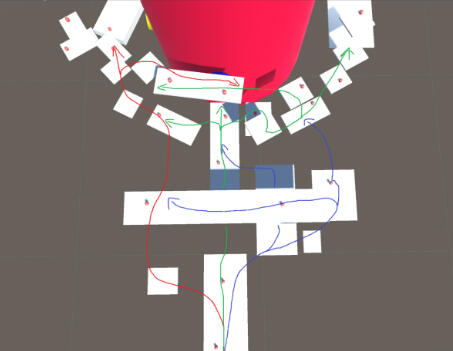
I conceptualized a branching path system with multiple difficulty routes to encourage speedrunning. The design allowed skilled players to take harder, faster routes while providing safer alternatives for less experienced players, creating natural skill-based progression.

AUDIO PROGRAMMING
As sole audio programmer, I designed and implemented a complete 3D audio management system. I learned collaborative programming practices including documentation and testing for pull requests, ensuring seamless integration with the 40-person development team.
Other Programming
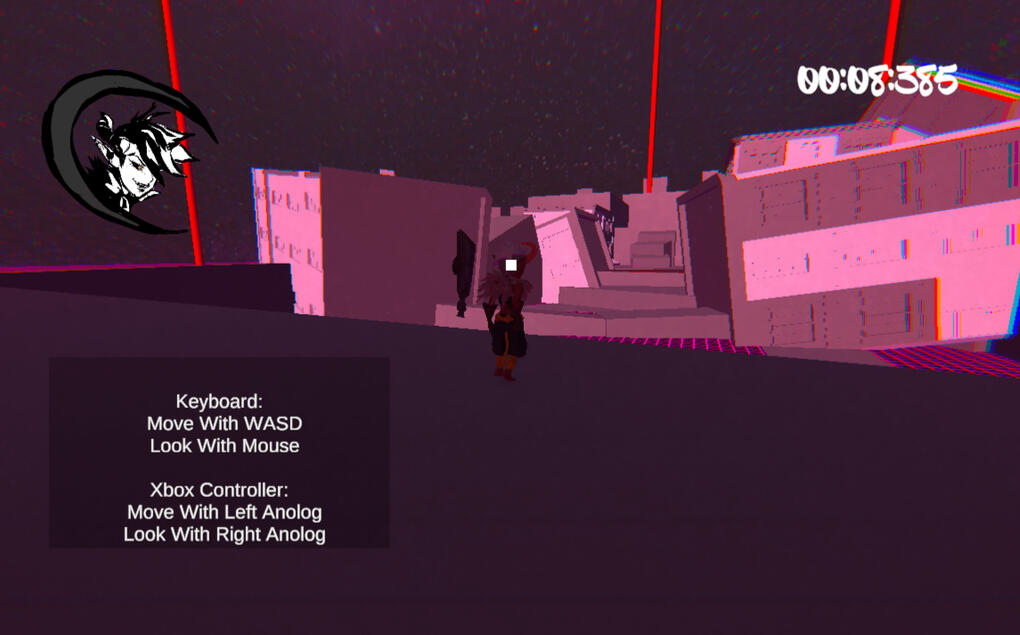
I programmed the rotating slash wall mechanic and various UI functionality, adapting my coding approach from quick prototypes to maintainable, team-integrated systems.
Slides From Development

Cornboy
🛠️Project Lead
🧑Team of 2
📅1 month, July '24
🎲IndieCade Climate Internship
Overview
Play as Cornboy in a bullet-hell battle against the forest so he can grow crops and make a profit!

Contributions & Information
CONCEPTING
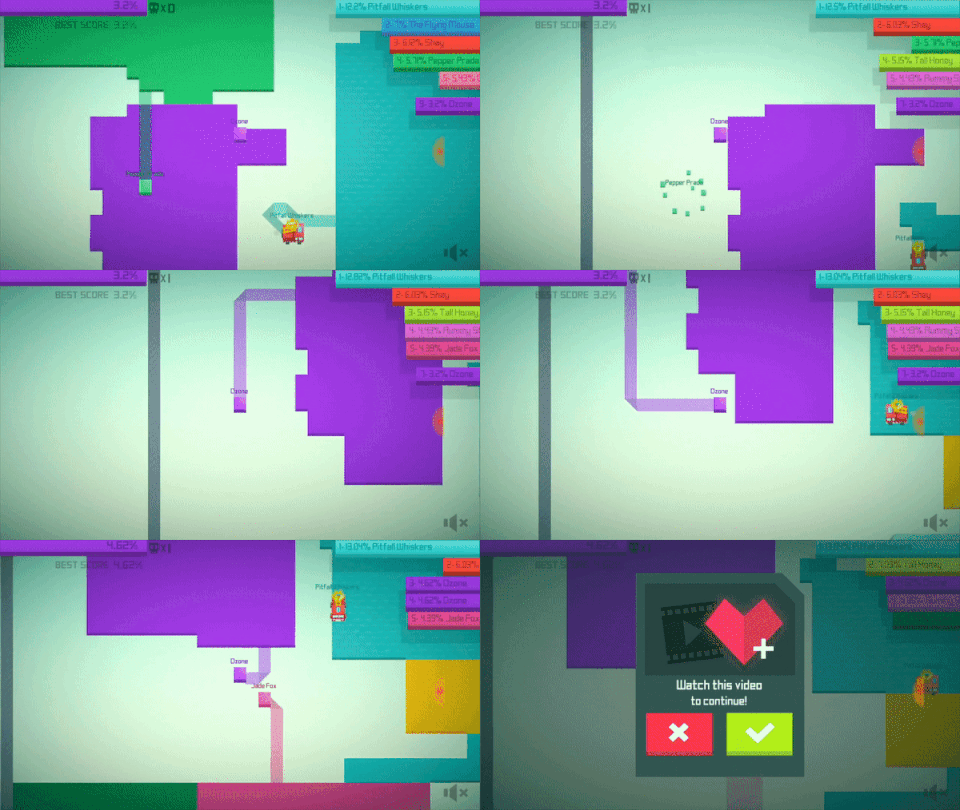
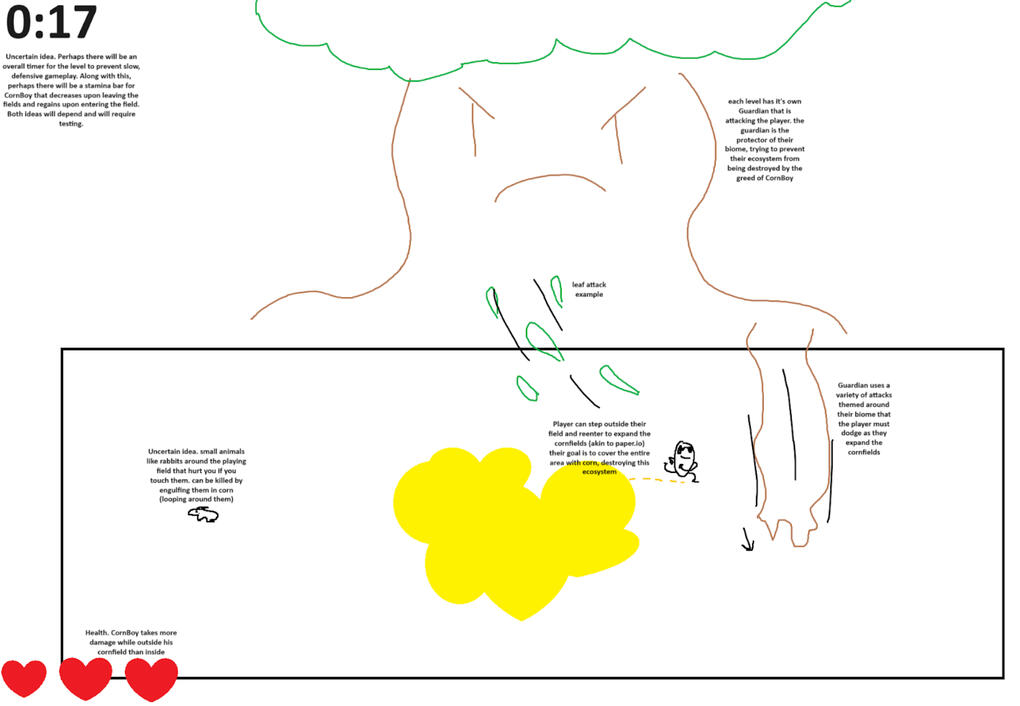
Working within IndieCade's Summer Climate Internship, I developed a climate-themed concept that tackled environmental issues with tongue-in-cheek humor. I combined Paper.io-style area control with bullet-hell mechanics, creating a game where players literally fight nature to expand farmland - a satirical take on agricultural expansion.
MENTORSHIP & COLLABORATION
I invited my friend Kaya to join as a learning opportunity for both of us. I guided him through Unity fundamentals and game development practices while he handled foundation programming. This mentorship experience taught me how to communicate technical concepts and coordinate development tasks.

Technical DEVELOPMENT
I implemented the area-control and bullet-hell mechanics, including cornfield creation systems and attack patterns. When initial Paper.io-inspired mechanics proved unfun in our bullet-hell context, I pivoted to a paint brush-style cornfield drawing system that better suited the gameplay.
VISUAL DESIGN & POLISH
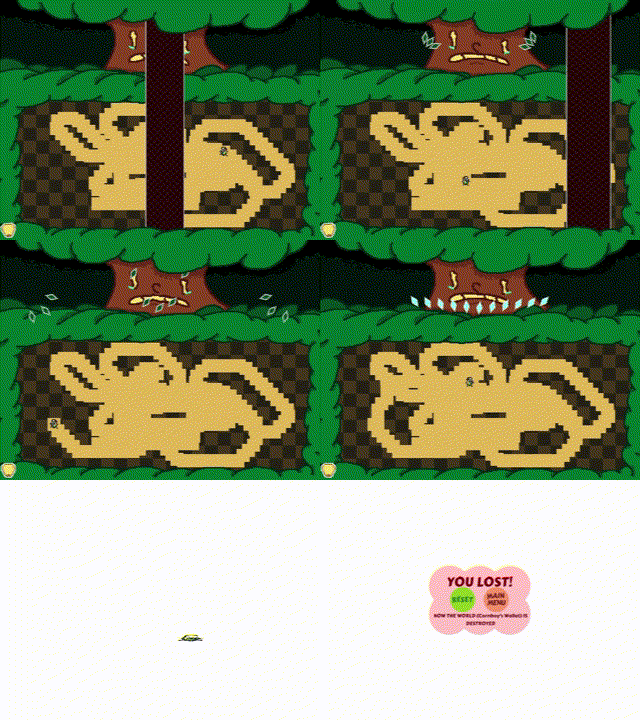
I created all visual assets and integrated Unity's FEEL asset to add impactful visual feedback and UI interactions. This was my first time taking a leading art role, expanding my skill set beyond programming and design.

INDIECADE SUMMER CLIMATE INTERNSHIP
A mentored program where participants develop climate-themed games under industry professional guidance, culminating in a game jam competition among all participants.
Against The Tide!
🛠️Designer | Programmer
🧑Team of 4
📅2 Days, July '24
🎲Water-Themed MicroJam
🏆 #11 Enjoyment, #29 Overall, among 84 entries
Overview
Experience the epic rap battle between the famous Dr. Rap against water! (like, the concept of water itself!)

Contributions & Information
CONCEPTUAL DESIGN
I designed a comedic "rap battle" experience where players help "Doctor Rap" rap-battle against the concept of water itself. Players choose from four dialogue options per-battle to view a humorous line of dialogue. The goal was pure entertainment rather than traditional gameplay mechanics.
TECHNICAL DEVELOPMENT
I handled all programming outside of UI implementation, creating the dialogue system, scoring mechanics, and win/loss conditions.
COMEDY EXPERIENCE DESIGN
Rather than creating a traditional game, I focused on crafting a "unique comedy experience" that prioritized humor and absurdity over conventional game design principles. The lack of clear win conditions was a deliberate choice to emphasize entertainment value.
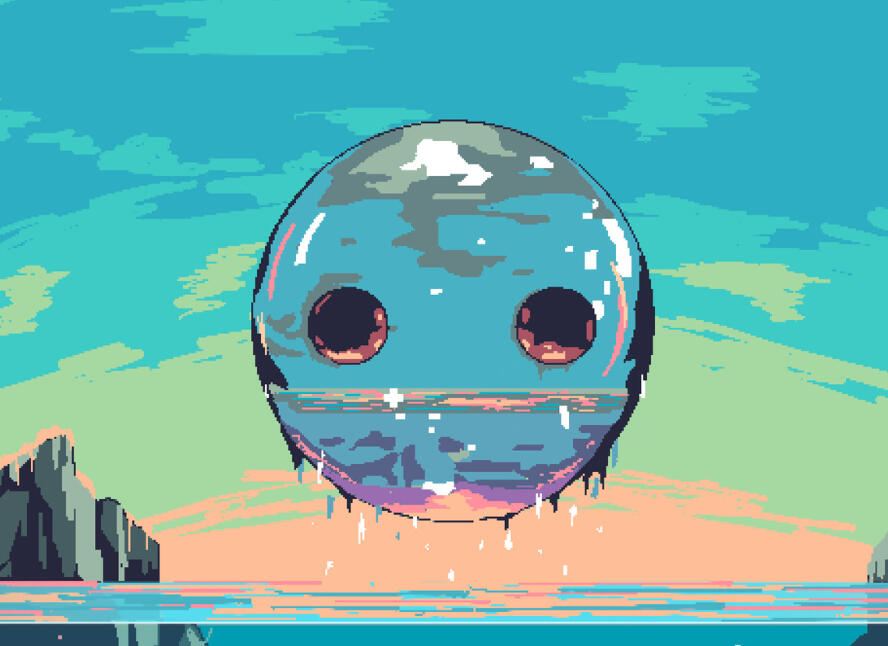
WATER-THEMED MICROJAM
A 2-day game jam focused on water themes. Our interpretation took a deliberately absurd approach, treating water as a rap battle opponent rather than a traditional game element.
Pick Yourself Up!
🛠️Sole Programmer | Game Design Aid
🧑Team of 4
📅3 Weeks, August '24
🎲Mental Health Jam
Overview
When it's too hard to move your body and wake up, you must exit your body and force it to get up! Launch yourself around to try and reach the top!

Contributions & Information
CONCEPTUAL DESIGN
I contributed to creating a rage game that simulates the disconnect between body and will when struggling to wake up. We drew inspiration from Ness's Up-B move in Smash Brothers - a mechanic known for its frustrating but precise control - to represent the internal struggle of depression.
PROGRAMMING & PHYSICS
As sole programmer, I implemented the challenging mouse-controlled movement system and all physics-based mechanics. I programmed the complete game from initial concept through final iterations.
LEVEL DESIGN
I designed levels for the first two-thirds of the game, creating challenges that followed Getting Over It's design philosophy - ensuring failures always felt like player mistakes rather than unfair game design. The goal was meaningful difficulty that reflected real struggle without becoming genuinely punishing.
SCOPE MANAGEMENT
When our initial ambitious dungeon concept proved too large for the timeline, I helped pivot to a focused core mechanic that better captured our mental health theme while remaining achievable within our 3-week deadline.


🛠️Developer Intern
📅6 Weeks, August '24
Overview
First industry internship developing unit testing infrastructure and features for CapitalismCraft, a business management simulator.

UNIT TESTING INFRASTRUCTURE
I established a comprehensive unit testing foundation for an existing codebase, creating the testing environment and framework from scratch. I designed test suites covering a wide variety of GameObject behaviors and interactions, ensuring reliable verification of game systems across different scenarios.
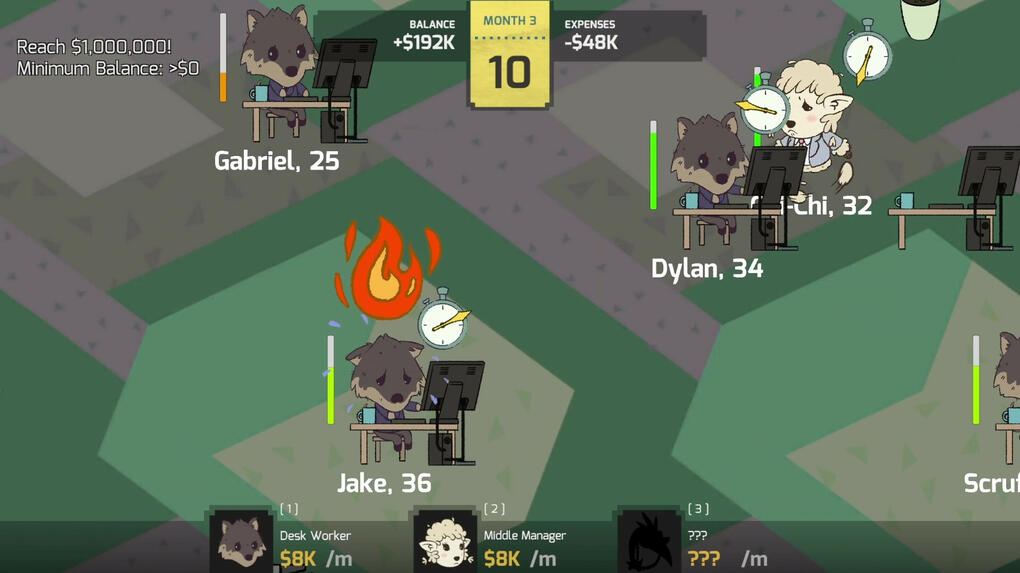
FEATURE DEVELOPMENT
I developed new UI features and implemented game events, integrating my code into the professional development workflow. I learned to work within established code architecture while contributing meaningful functionality to the live project.
PROFESSIONAL WORKFLOW INTEGRATION
I adapted to industry-standard development practices including code reviews, version control protocols, and collaborative programming standards. This experience taught me how to contribute effectively to a professional game development team.

PROJECT SHOWCASE
I helped represent MDG at AnimeNYC, gaining experience in commercial project presentation and public demonstration of game features to potential players and industry professionals.
MOST DANGEROUS GAMES
An indie studio founded by Eric Cheng, former Google Software Engineer, developing CapitalismCraft - a business management simulator with satirical commentary on capitalism's impact on society.
Decay & Watch
🛠️Sole Programmer | Game Design Aid
🧑Team of 5
📅2 Days, August '24
🎲Discord Decay Jam
Overview
Power On your old "Decay & Watch" system to blast through a horde of decaying zombies and get a high score!

Contributions & Information
PROGRAMMING
As sole programmer, I implemented the complete Game & Watch recreation. I programmed all gameplay functionality from enemy spawning to score tracking within the 2-day timeframe.
RETRO AESTHETIC IMPLEMENTATION
I recreated the classic Game & Watch visual style in Unity, including the LCD-style display, button interface, and authentic retro gaming feel. The challenge was translating the iconic handheld aesthetic into a modern game engine while maintaining authenticity.
MOBILE-INSPIRED DESIGN
I designed the control scheme around clicking virtual buttons on the handheld device, creating an intuitive interface that mimicked the original Game & Watch experience. We purposely rejected adding input for keyboards to maintain immersion with the "system" itself, encouraging players to play on Mobile for the cleanest experience
DISCORD DECAY JAM
A 2-day online game jam focused on decay themes. Our team interpreted this through the lens of retro gaming nostalgia, creating a tribute to Nintendo's classic Game & Watch series.
Catherine-PICO
🛠️Sole Developer
📅1 Days, Sep '24
🎲Homage Jam
Overview
A PICO-8 Homage to Catherine! Push and pull blocks to stack them into the required shape!

Contributions & Information
PICO-8 DEVELOPMENT
I used PICO-8 and Lua programming for the first time, completing my first project within the 24-hour constraint. This experience introduced me to constraint-based development and the unique challenges of fantasy console programming.
PUZZLE DESIGN ADAPTATION
I adapted Catherine's 3D block-climbing mechanics to a 2D environment, redesigning the puzzle objectives from climbing to pattern-building. I maintained the core push/pull mechanics while creating new spatial challenges suited to the 2D format.
RAPID PROTOTYPING
Working within PICO-8's strict limitations, I learned to prioritize core gameplay over visual polish, focusing on making the puzzle mechanics functional and engaging within the time constraint while still keeping the visuals and UI as clear and elegant as possible.
INFORMATION
CLASS GAME JAM
A 1-day solo development challenge focused on creating homages to existing games using new tools and constraints.
Balldyseus
🛠️Sole Developer
Overview
A turn-based strategy game themed around the ancient tale of The Odyssey! Except Odysseus is now a giant ball! Roll yourself around the stage to prevent encroaching enemies from reaching your territory

Contributions & Information

CONCEPTUAL DESIGN
I created a unique hybrid of billiards, pinball, and turn-based strategy gameplay for my Classical Mythology class final project. I developed asymmetrical mechanics where the player moves with physics-based ball controls while enemies use discrete grid movement, creating strategic tension between fluid and tactical gameplay.
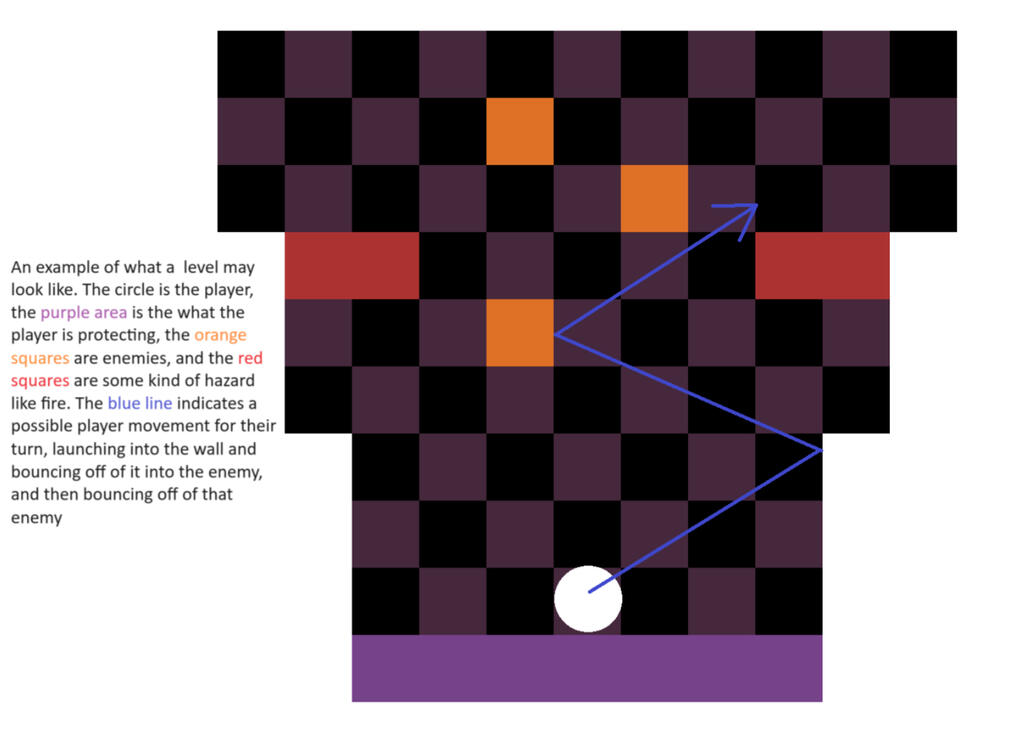
PLAYER AGENCY SYSTEMS
I designed dual-mode mechanics to address player agency concerns. Players could switch between "attack-mode" to damage enemies and "bounce-mode" to shove enemies and launch off of collisions. This system gave players meaningful tactical choices while maintaining the core ball physics concept.
TECHNICAL PROGRAMMING
I implemented grid-based enemy AI with A* pathfinding algorithms and physics-based player movement systems. I developed maintainable code architecture using inheritance, observers, and encapsulation - a significant evolution from my earlier jam projects that required disposable code.
ITERATIVE DESIGN
Through multiple playtesting sessions, I identified that the bounce-mode concept was too abstract for players to grasp intuitively. I redesigned it as a limited-use ability with automatic mode-switching and clearer UI, significantly improving player comprehension and engagement.
LONG-TERM DEVELOPMENT
I managed ongoing development while balancing other academic responsibilities, learning to maintain project scope and code quality over an extended timeline rather than sprint-based jam development.
ACADEMIC PASSION PROJECT
Originally created as a final project for Classical Mythology class, this evolved into an extended development exercise in sustainable game design and iterative improvement based on player feedback.

Charon's Corner
🛠️Executive Producer
🧑Team of 70+
📅July '25 - In Progress
Overview
Greek Mythology's ferryman of the underworld has given up his boat for a bowling alley, where he now bowls the skulls of the damned down dynamic bowling lanes that reconnect these souls with their memories before death. You play as a flawed, dead person who must face their past in these "memory lanes" and convince Charon he's worthy of another chance

Contributions & Information

STUDIO ASPEN - EGD'S GAME STUDIO PROGRAM
A mock-AAA studio where 70+ students collaborated on a year-long game project. Teams are organized into Design, Programming, Art, Tech Art, and Audio departments, each with a Director, and an Executive Producer at the helm of the studio, simulating professional game development workflows at scale.
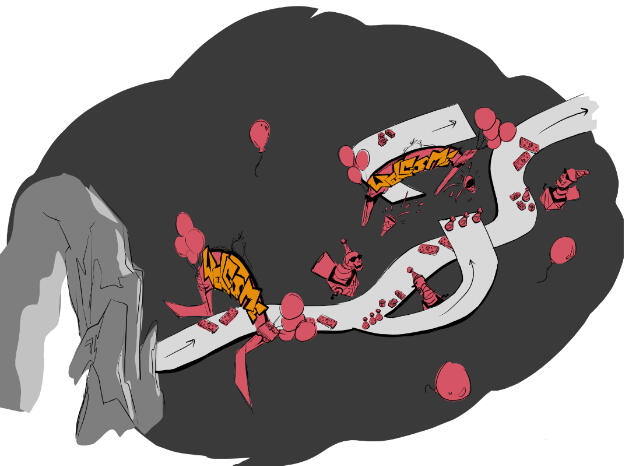
Role & Vision
I was selected as Executive Producer for this 2025's iteration of Studio Aspen. This role has me as the producti owner, ideating the overall vision for the project (narrative, gameplay vision, aesthetic, moodboards, references, etc.) while maintaining the backlog of deliverables, giving post-sprint reviews, and designing the overall studio structure
Pre-Production Planning
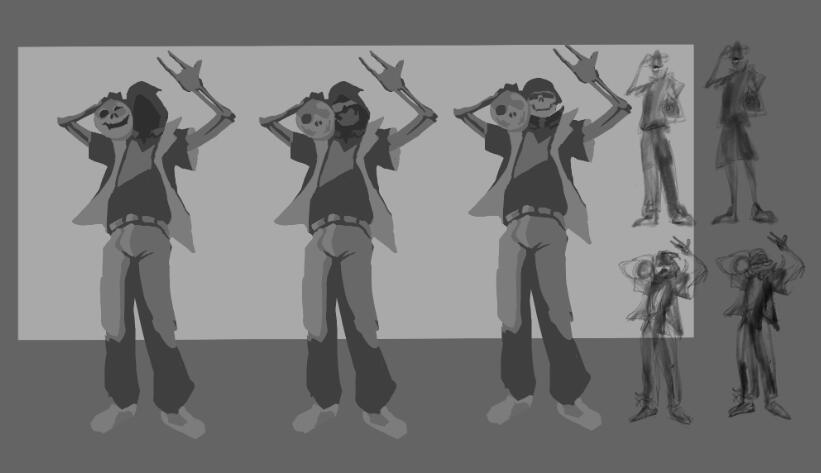
During our pre-production, I worked with my department directors to assess last year's successes and failures with the studio and what can exist to improve our workflows and pipelines. I also pitched them my vision for this year's project, we worked on fleshing it out, developing a prototype, and creating concept art.
MAGES & SPRINT DEPLOYMENT
Two big pain points from last year's Aspen game were communication issues and a lack of ownership. I read Clinton Keith's Agile Game Development: Build, Play, Repeat, and utlized it's teachings in a revised studio structure. I deployed a more traditional scrum loop for the whole studio, and incorporated the "Mages Framework" for scaled scrum teams, including cross-disciplinary feature teams and pool teams.
Codecks
I deployed the usage of "Codecks," a studio-wide task-management software, which keeps all of our tasks and documentation all in one place, greatly improving studio-visiblity and transparency.
Product Owner
As the product owner, I've honed my ability to express my ideas on what I want from a team in a clear manner and my ability to review & advise my team member's work.

Dreamscape
🛠️Design Producer
🧑Team of 100+
📅8 Months, August '24
Overview
A collaborative game project currently in development by EGD Collective's Studio Aspen, a Mock-AAA studio comprised entirely of students

Contributions & Information

STUDIO ASPEN - EGD'S GAME STUDIO PROGRAM
A mock-AAA studio where 100+ students collaborated on a year-long game project. Teams were organized into Design, Programming, Art, Tech Art, and Audio disciplines, each with producers and an Executive Producer, simulating professional game development workflows at scale.
PRODUCTION LEADERSHIP
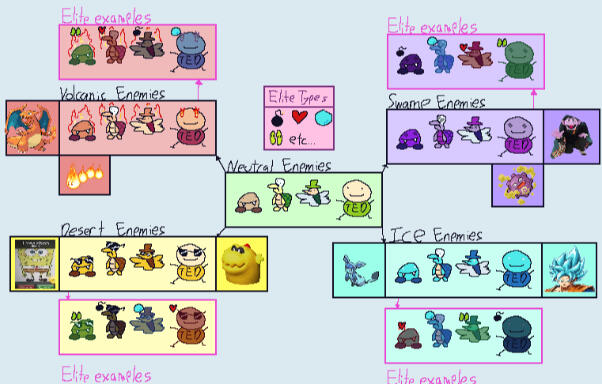
I was selected as Design Producer for EGD's largest Studio Aspen team to date (100+ members). I led and coordinated a team of 25 designers for a large-scale game project, managing communication between design team and other departments while maintaining project vision and scope.
GAME DESIGN DOCUMENTATION
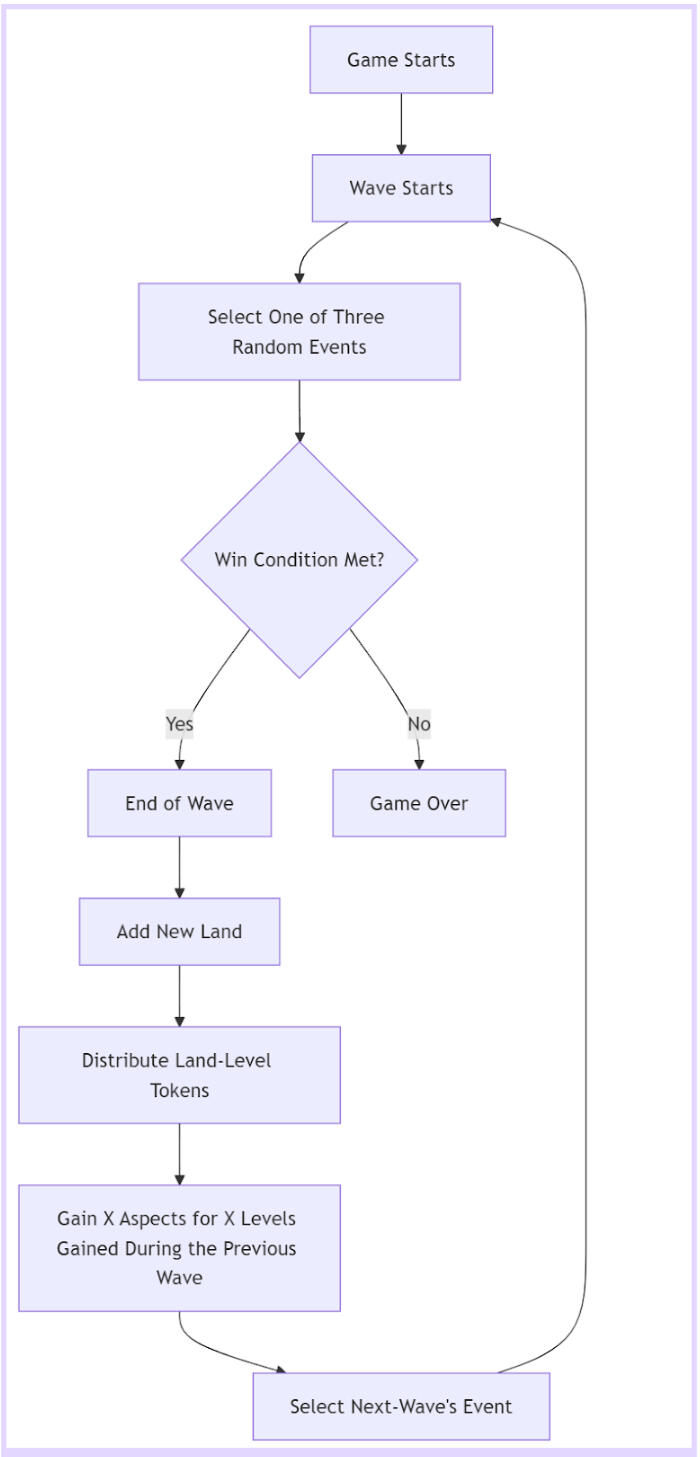
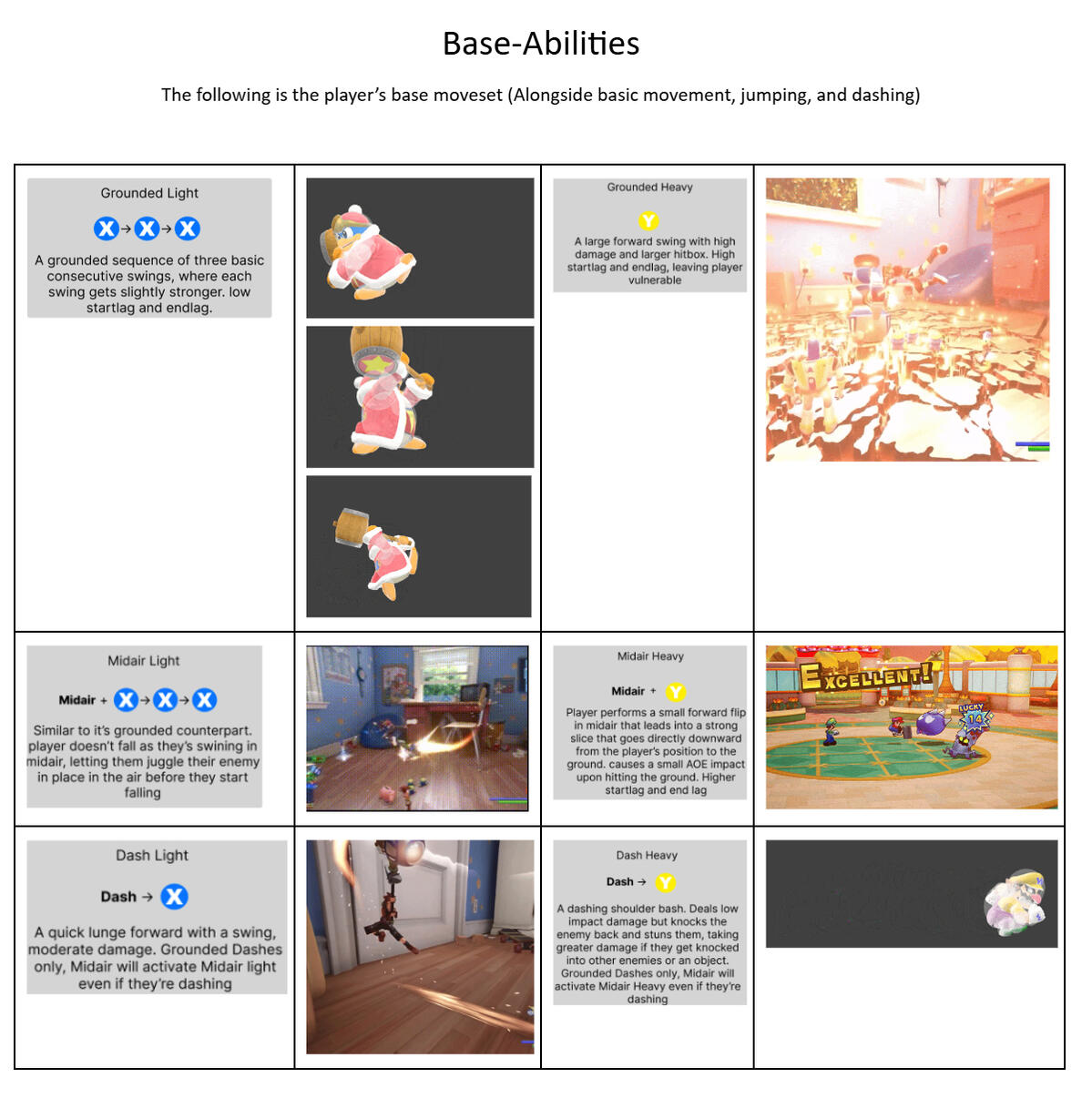
I managed the comprehensive Game Design Document that served as the central reference for all departments. I ensured detailed, visual documentation using references, flowcharts, and images to prevent information bottlenecks across the 100+ person team, establishing clear design standards for the studio-wide project.
FOUNDATIONAL DESIGN
During pre-production, I filled design gaps and created challenges for future designers to solve. I developed starter concepts including player abilities, enemy types, and core gameplay systems, providing the foundation for the team to build upon throughout development.
WORKFLOW OPTIMIZATION
We iterated our departmental workflow where design created initial tasks, added them to the GDD for review, then coordinated with programming, playtesting, and art/audio teams through structured sprints and weekly meetings.
TEAM RESTRUCTURING
I learned to delegate effectively by restructuring the design team into smaller groups with dedicated leads responsible for specific game components. This organizational change freed me to focus on high-level management and feedback while giving team members greater ownership and more active collaboration with other departments.

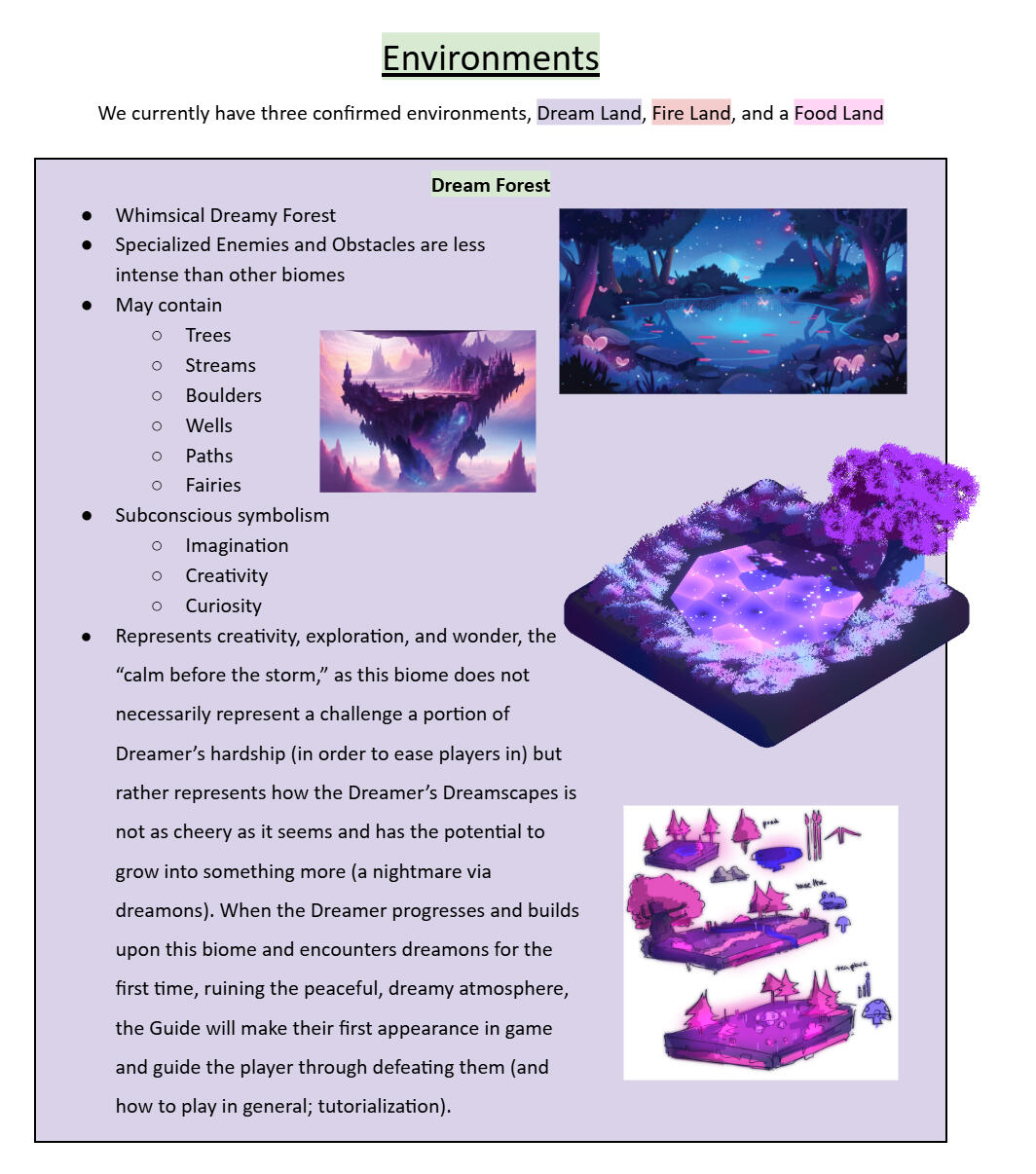
Fill In The Blank!
🛠️Project Lead
🧑Team of 5
📅3 Days, Jan '25
🎲Global Game Jam
🏆"Audience Choice Award" ~GGJ @NYU Game Center
Overview
A social party game where players collaboratively fill in empty speech bubbles to complete absurd and hilarious stories!

Contributions & Information
SOCIAL GAME DESIGN
Building on my experience from Joke's On You!, I designed another Jackbox Party Pack-inspired social game that leveraged group dynamics and creativity. I created a word-completion format that encouraged collaborative storytelling and humor among players.
TECHNICAL LEADERSHIP
I led all technical development and design iterations while coordinating a 5-person team throughout the 4-day jam. I managed project scope, delegated tasks, and ensured we delivered a polished social experience within the tight timeline.
ITERATIVE DEVELOPMENT
I applied lessons learned from previous social game projects, focusing on mechanics that naturally generated entertaining player interactions and memorable moments that would resonate with jam audiences.
GLOBAL GAME JAM 2025
A 3-day international game development event, where I participated at the NYU Game Center Site. This year's theme was "Bubble." The "Audience Choice" award was determined by attendee voting, recognizing games that created the most engaging and memorable experiences during the showcase.
Flash Mob
🛠️Programmer | Game Design Aid
🧑Team of 2
📅7 Days, Jan '25
🎲BIGMODE "Power" Jam
Overview
In a land devoid of fun, herd dancers through the level to spread the power of Boogie-Fever!

Contributions & Information
CONCEPTUAL DESIGN
I collaborated on designing a world where the power of dance overcomes a monochrome, joyless environment. We created simple herding mechanics focused on crowd control and hazard avoidance, emphasizing the transformative theme of bringing color and life through movement.
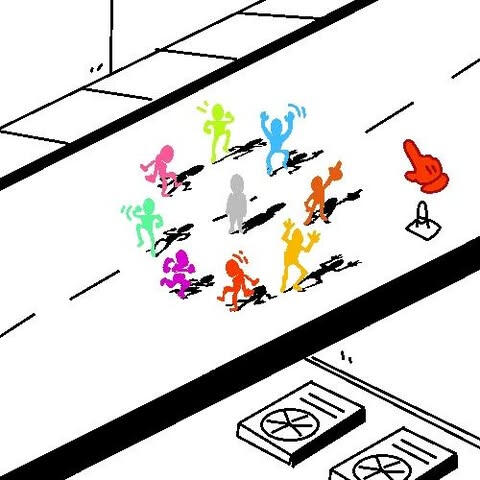
CROWD MECHANICS PROGRAMMING
I implemented bird-flocking algorithms to create realistic group movement where dancers move as a cohesive unit while maintaining individual behaviors. I adapted existing flocking solutions, then fine-tuned the system to balance group cohesion with individual character expression.
TECHNICAL PROBLEM-SOLVING
I solved the challenge of creating consistent isometric perspective across all game objects through careful layering and pivot point adjustments. While some visual imperfections remained, I developed solutions that addressed the majority of perspective and depth-sorting issues.

Kleptomancy
🛠️Programmer | Game Design Aid
🧑Team of 5
📅4 Months, May '25
🎲Game Studio Class Project
Overview
A mischievous little wizard is dead-set on wreaking havoc and stealing from a grocery store!Throw items in your cart, avoid the guard, slow down time, and get out with as much money as possible before the time runs out!

Contributions & Information
ADAPTIVE DESIGN
I contributed to identifying and solving a fundamental design challenge in our original concept. We pivoted from an open-ended puzzle system (which created unsolvable degenerate strategy problems) to a focused theft mechanic with risk-reward elements, demonstrating critical design thinking and scope management.
CORE PROGRAMMING
I implemented player movement systems, UI functionality, and the signature bounce mechanic that became central to gameplay. I programmed the physics system where items gain value based on wall bounces before landing in the cart, creating strategic depth while maintaining accessibility.
PROJECT MANAGEMENT
As project lead, I maintained Trello boards coordinating tasks between artists and programmers. I managed development workflows and ensured consistent progress across the team while balancing multiple responsibilities as both programmer and design contributor.
ITERATIVE DESIGN
I continuously refined game rules throughout development, addressing player behavior patterns and balancing the tension between risk-taking (complex bounces for higher scores) and safety (avoiding guards and managing time pressure).
GAME STUDIO CLASS PROJECT
A semester-long collaborative development project focusing on team coordination, iterative design, and professional development workflows within an academic setting.

There Is No Speed Limit
🛠️Designer and Programmer
🧑Team of 2
📅2 Months, May '25
🎲Class Project
Overview
A fast-paced action game where you navigate your perpetual movement by punching colored pillars to modify your speed and reach the goal!
Contributions & Information
COMPREHENSIVE GAME DESIGN
I created detailed design documentation including movement systems, enemy mechanics, and core gameplay loops. I designed the signature color-coded fist combat system where players punch matching colored targets to gain speed or reduce speed, creating risk-reward momentum mechanics inspired by movement shooters.

DOCUMENTATION & PLANNING
I developed comprehensive design frameworks using Miro boards to map player abilities. I created detailed flowcharts showing the relationship between movement mechanics, combat timing, and risk-reward player choices.
FULL TECHNICAL IMPLEMENTATION
I programmed all game systems. I implemented the momentum-based gameplay where punching pillars modifies the speed respective to the colored fist used.
UNREAL ENGINE CLASS PROJECT
A collaborative project designed to demonstrate technical proficiency in Unreal Engine development while creating portfolio-ready work for industry applications.

No Trespassing
🛠️Technologist
🧑Team of 6
📅4 days, July '25
🎭MTFxR Garage
Overview
A transgender coming-of-age musical that utilizes volumetric recordings, holograms, VR passthrough, and immersive set design to place viewers directly into the performance.This was a real-life performance that took advantage of XR technologies, and can no longer directly experienced.

Contributions & Information
Planning
After meeting my team, we had several brainstorming sessions to identify our skills, strengths, and goals and what direction we wanted to take this project. Our primary goal was to find a mode of interactivity that was immersive but didn't feel like it "gamified" the viewing of a musical. We settled on a Mixed-Reality concept that used the Meta-Quests passthrough and holograms depicting our actors to tell a trans-narrative with motifs centered around the bridge between technology and humanity
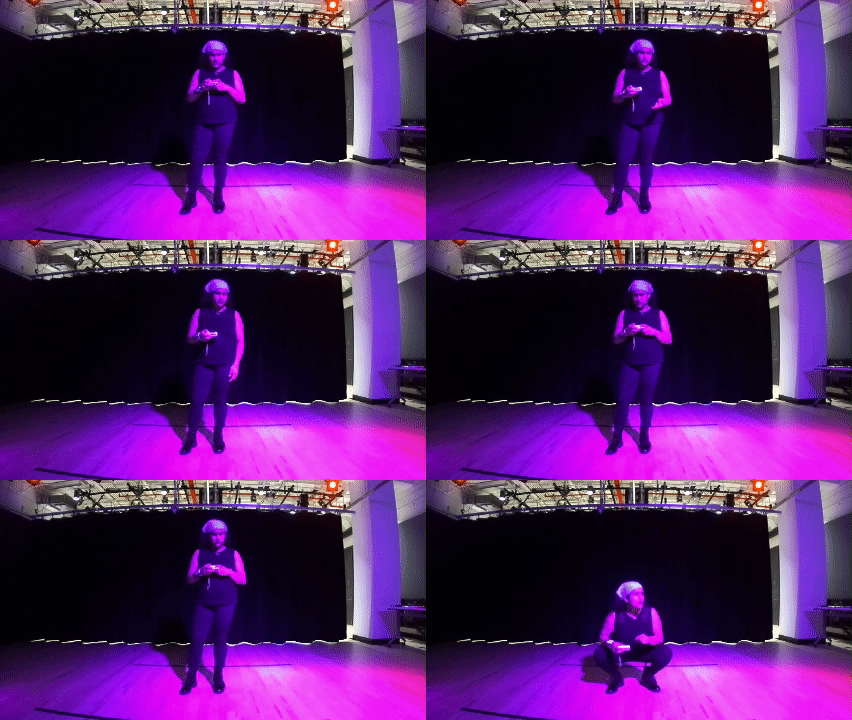
Volumetric Recording
Using ZED cameras at our disposals, i led the development of our volumetric recordings. We filmed our actors individually performing their scenes in front of this camera, and we later converted their movement into point-cloud holograms.
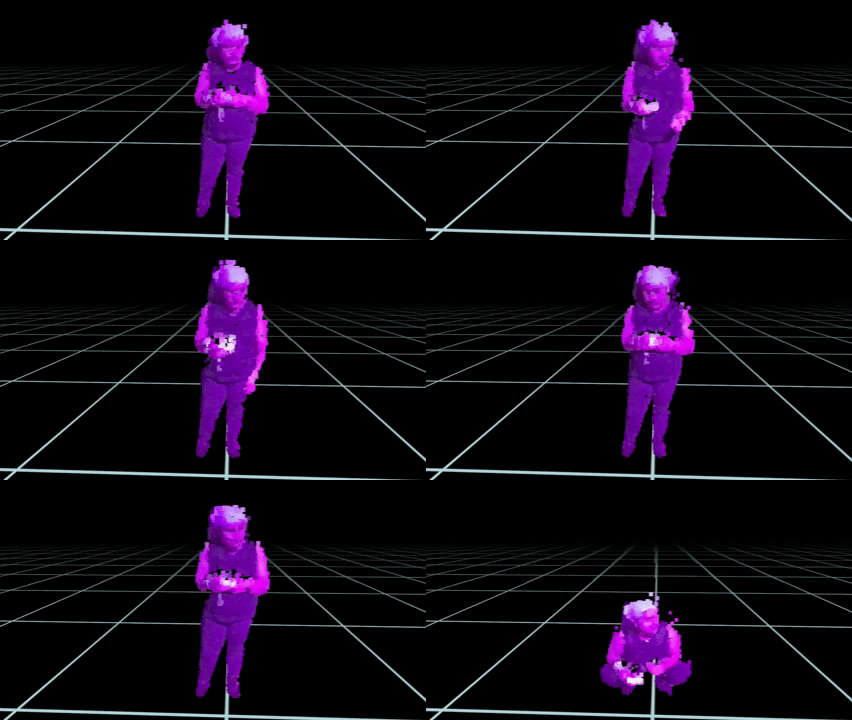
Hologram
I converted the point-cloud data captured by our ZED into a format usable by Unity, and adjusted shaders to only render what's needed from the recording.
NON-Technology
Beyond my role in VR development, I aided in Lighting and Set Design to help further immerse our viewers into the world of the musical.
MTFXR is an organization that provides opportunities for musical theatre makers and XR developers to experiment, build new ideas, and create radical storytelling through fruitful collaborations. This Garage event brought students and professionals across many disciplines to work together and prototype a musical XR experiences in four days.

EGD Collective (Game Studio Program)
📅3+ years, ongoing
Overview
A nonprofit organization dedicated to aiding students in preparing for the games industry through collaborative development experience and professional skill-building.

Contributions & Information
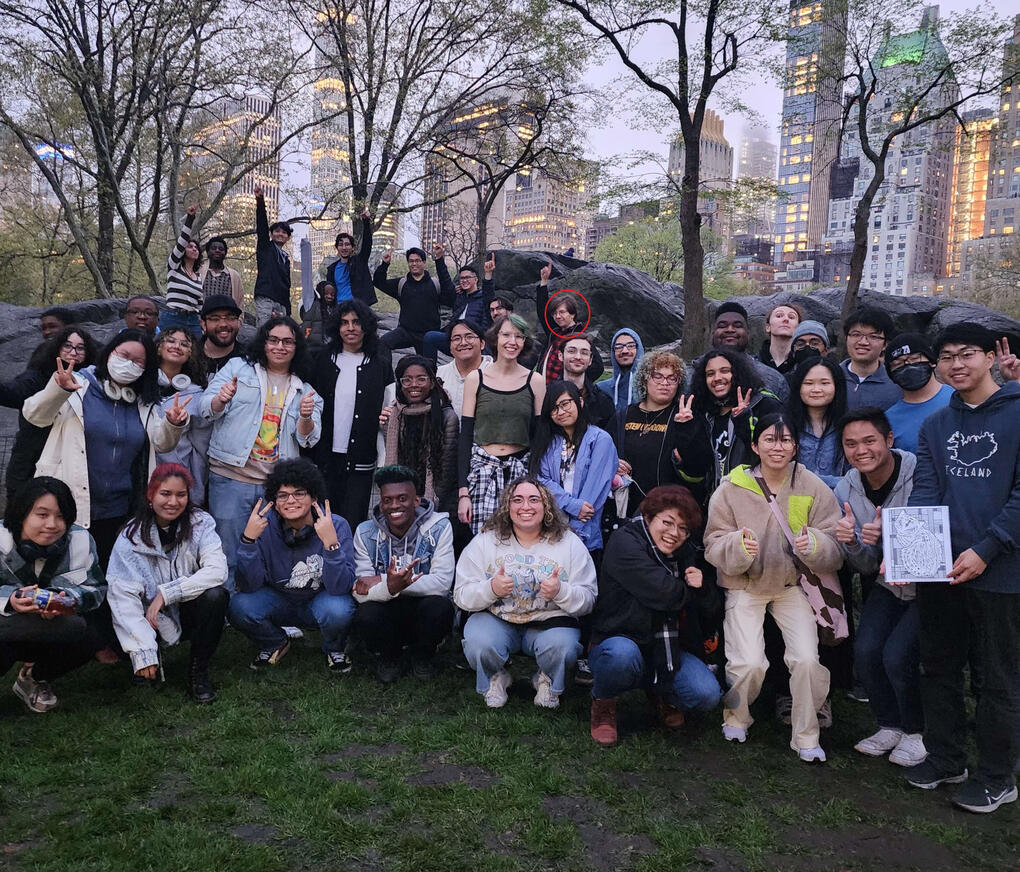
EGD COLLECTIVE
A student-run nonprofit organization providing structured pathways into game development through mentorship, collaborative projects, and industry connections. The Game Studio Program simulates professional development environments at increasing scales of complexity and responsibility.
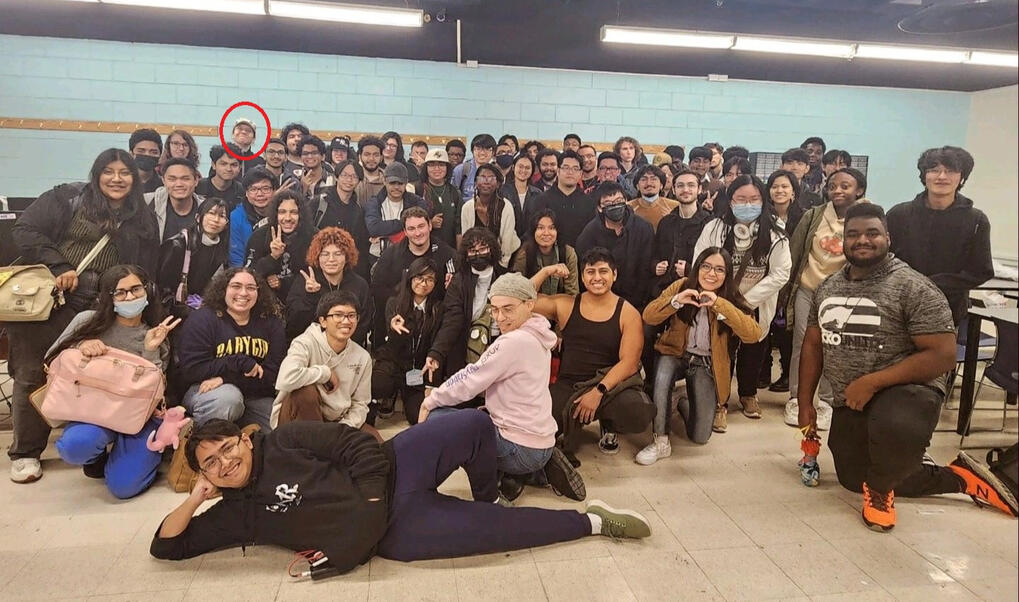
EXPLORATION PROGRAM LEADERSHIP
During my first year, I led a 4-person team through the foundational program designed to introduce students to game development. Our team developed multiple small projects culminating in Refold, which won "Best GSP Game" for the program that year, demonstrating early leadership and design capabilities.
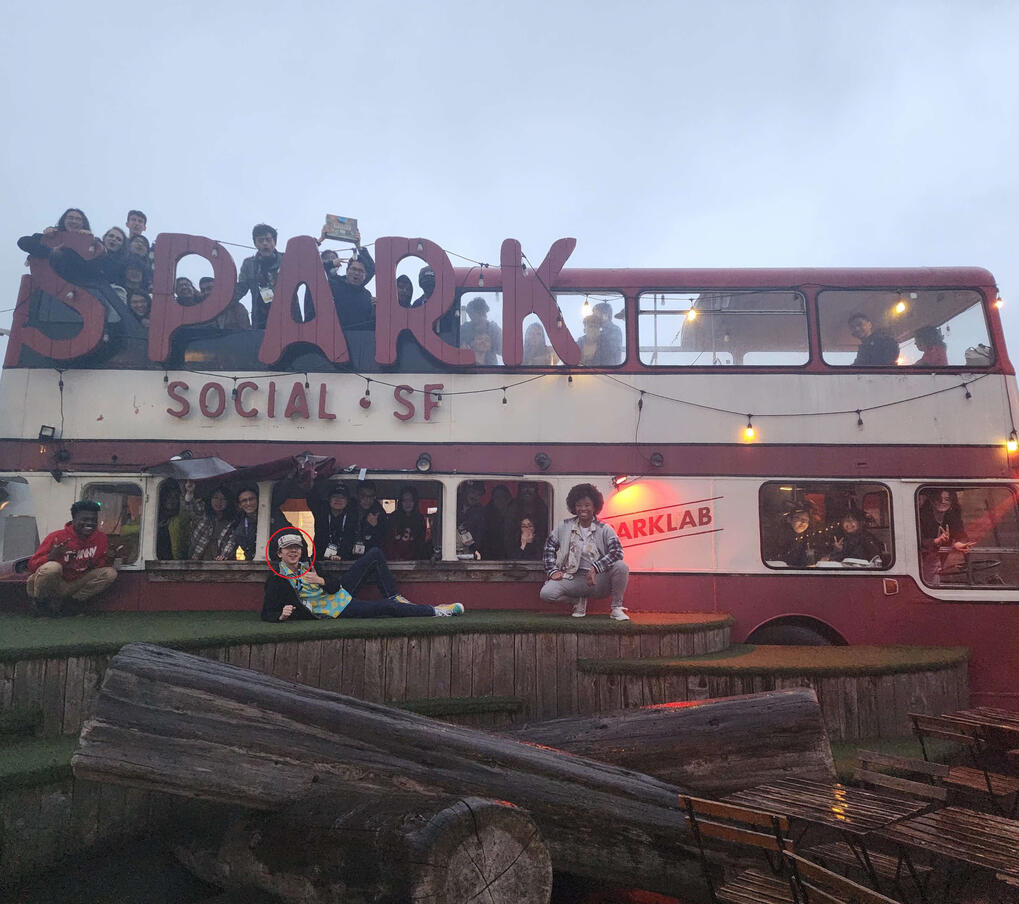
STUDIO ASPEN DEVELOPMENT
As a Junior Programmer/Designer, I contributed to Striking Hell while learning large-scale collaborative development. I transitioned to Design Producer for Dreamscape, leading a 20-person design team within the largest Studio Aspen cohort to date (~80 members), managing comprehensive documentation and cross-departmental coordination.
EXECUTIVE PRODUCER TRANSITION
Currently selected as Executive Producer for the upcoming Studio Aspen project, representing advancement to the highest student leadership position. I'm now in pre-production planning phases, preparing to oversee all department coordination and studio-wide project management for an 100+ person team.
GAME JAM EXCELLENCE
I participated in numerous EGD-organized jams, developing projects including Sling Bee, Opossum Ops, Chick Chase, Against The Tide, Pick Yourself Up!, and Decay & Watch. My Global Game Jam teams achieved notable recognition: Joke's On You! won "Best Use of Theme" (2024) and Fill In The Blank! won "Audience Choice" (2025) at NYU Game Center.
PROFESSIONAL DEVELOPMENT
Through EGD's workshops, lectures, and networking events, I gained comprehensive understanding of industry practices, project management methodologies, and professional game development workflows. I regularly showcased projects at EGD events, building presentation and industry networking skills.
Game Production EXPERIENCE
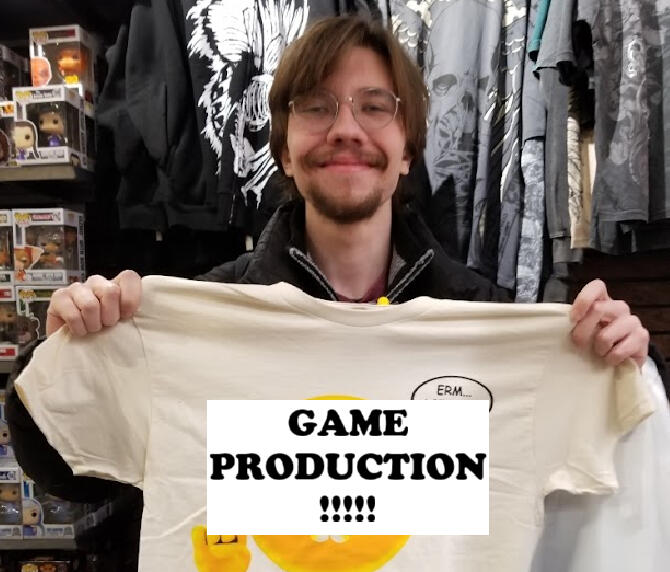
My Overview
A Producer who treats studio structure as an iterative design problem. Led teams as small as 2 people to as big as 70+ students across 18+ projects, specializing in workflow optimization and scaled team coordination.Focused on rapid experimentation: when systems don't work, I change them, prioritizing team independence and sustainable development over rigid processes.
Notable Production Projects

Executive Producer
Selected as Executive Producer for EGD's 2025 studio iteration. Own product vision, backlog management, and studio structure coordinating 5 department directors.🎯 Deployed Mages Framework organizing 70 people into cross-disciplinary feature teams
🎯 Implemented Codecks for studio-wide task management and transparency
🎯 Improved team autonomy and visibility compared to previous years
🎯 Scrapped underperforming prototype and ran prototype jam to reset direction

Design Producer
Led 25-person design team for EGD's largest studio, managing comprehensive Game Design Document.🎯 Established documentation workflow preventing information bottlenecks
🎯 Restructured design team into specialized groups with dedicated leads
🎯 Coordinated implementation across 5 departments
🎯 Design team operated with greater autonomy and accountability

Project Lead
Managed Trello boards coordinating artists and programmers while leading project scope and direction.🎯 Identified fatal design flaw during playtesting, advocated for full pivot
🎯 Coordinated tasks between art and programming
🎯 Managed scope to deliver polished game within 4-month timeline
🎯 Led iterative balancing through structured playtesting session
Case Study (1/3) - Redesigning A Student Studio

Old Aspen System

Proposed New System (Mages Framework Inspired)

Current Aspen System


The Problem
Studio Aspen 2024 struggled with communication silos and lack of ownership. Developers felt disconnected from the larger vision, and cross-department coordination was chaotic.
My Approach
After analyzing the previous year's structure, I introduced the Mages Framework for scaled scrum. I organized the 70-person studio into cross-disciplinary feature teams (each owning specific game features) and pool teams (handling shared resources like audio or vfx)The goal was to make teams as independent as possible. Each feature team had designers, programmers, and artists working together consistently, building trust and reducing coordination overhead.But independence requires clarity. I deployed Codecks to centralize all tasks and documentation, ensuring teams could self-organize without constantly asking for direction.
Results
Teams operate with significantly more autonomy. Communication happens within feature teams first, escalating to me only when cross-team coordination is needed. Studio visibility improved, anyone can see what's being worked on at any given moment
What I Learned
You can't design the perfect structure upfront. I've changed systems multiple times mid-production when they weren't working. This creates whiplash for team members, but the alternative, sticking with broken processes, is worse. The goal is finding what works for this team, which requires bold experimentation.
Case Study (2/3) - Managing Scope Through Radical Pivots

First "Kleptomancy" Build

Final "Kleptomancy" Build


The Problem
Multiple projects (Kleptomancy, Charon's Corner, Chick Chase) started with ambitious designs that didn't fit timelines or team capabilities.
My Approach
I've learned to recognize when iteration isn't enough. For Chick Chase, I pitched "Balldyseus" with a detailed GDD, then realized mid-development our team couldn't build the required systems in one month. Instead of crunching or cutting features piecemeal, I scrapped the concept entirely and pivoted to a simpler high-score game.For Charon's Corner, when our initial prototype tested poorly, I didn't waste time with further iteration, I had all teams create competing prototypes to reset our direction.
What I Learned
Sunk cost is real, but shipping something good beats finishing something broken. My job as producer isn't to defend the original plan, it's to ensure we ship something valuable. Radical pivots are scary but often necessary.
Case Study (3/3) - Balancing Independence and Oversight
The Problem
Giving teams autonomy is great until they're silently struggling. My biggest challenge has been creating systems where people actually communicate problems before they become crises.
My Approach
- Regular one-on-ones with team leads to surface issues early
- Anonymous feedback channels for people uncomfortable speaking up
- Post-sprint reviews where teams share blockers publicly
- Encouraging a culture where asking for help is normalized, not penalized
What I Learned
Some people need more check-ins, others want to be left alone. There's no one-size-fits-all approach. I'm still figuring out how to scale personal attention across 70+ people, but the key seems to be empowering leads to distribute that emotional labor rather than centralizing it on me.
GAME DESIGN EXPERIENCE
My Overview
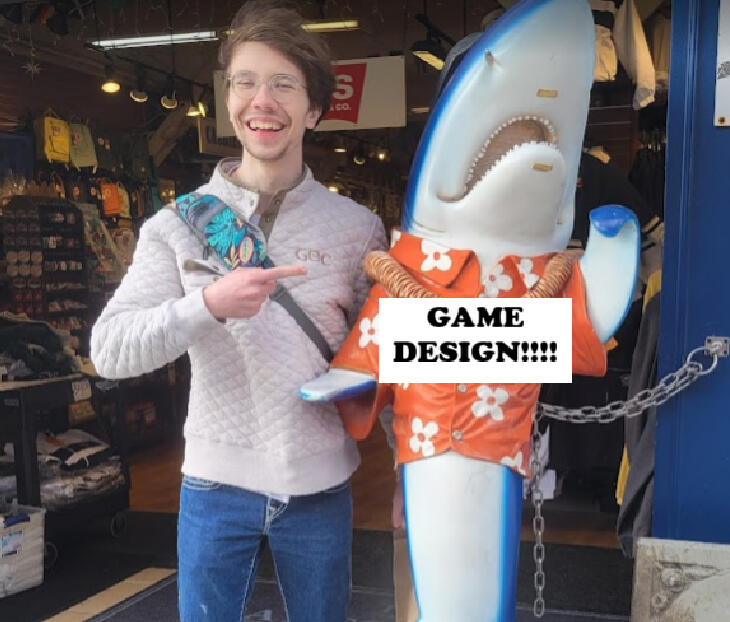
A Designer who breaks down complex systems through visual mapping and iterative analysis. Experienced across systems design, narrative hooks, UX/UI, and experiential design. Background in theatre informs approach to turning mechanical systems into immersive player experiences.Specializes in identifying design flaws through comprehensive and playtesting and analysis, then advocating for bold pivots when iteration isn't enough.
Notable Projects

Sole Developer
Hybrid of billiards, pinball, and turn-based strategy where you play as Odysseus... but as a giant ball.🎯 Designed asymmetrical physics vs grid-based combat
🎯 Implemented A* pathfinding for enemy AI
🎯 Redesigned bounce-mode after playtesting revealed comprehension issues
🎯 Built maintainable code architecture (inheritance, observers, encapsulation)

Project Lead
Social party game where players collaboratively complete absurd stories by filling in speech bubbles.🎯 Won Audience Choice Award at NYU Game Center
🎯 Led technical development and coordinated 5-person team
🎯 Designed word-completion format generating natural player interactions
🎯 Managed scope to deliver polished experience in 3-day jam

Project Lead
Mischievous wizard steals from a grocery store, bouncing items for higher value while avoiding guards.🎯 Identified fatal design flaw through playtesting, advocated for full pivot
🎯 Designed signature bounce mechanic where items gain value from wall hits
🎯 Programmed physics systems, UI, and player movement
🎯 Shipped focused game with strategic depth, avoiding balance issues
Case Study (1/3) - Mapping Design Problems

"There Is No Speed Limit" Ideation

"Dreamscape" Redesign Proposal

"Kleptomancy" Brainstorm


The Problem
Complex game systems often have hidden flaws that only emerge during development. Without comprehensive analysis, teams waste time building on broken foundations or patching symptoms instead of root causes.
My Approach
When facing design problems, I use Miro boards to map out entire systems visually. I document all mechanics, player actions, game states, and their interconnections to identify where systems break down.For Kleptomancy, I mapped out the original open-ended puzzle design and discovered players could find degenerate strategies that trivialized all challenge. The flaw wasn't in execution, it was fundamental to the concept.For Dreamscape's progression system, I created flowcharts comparing the old disconnected structure versus a proposed integrated system where each decision informed others. This visualization helped the team understand why players felt their choices lacked weight.
RESULT
Visual mapping became my primary tool for design analysis. By externalizing complex systems, I can spot problems early and communicate issues clearly to teams. This approach has prevented weeks of wasted development on unfixable concepts.
WHAT I LEARNED
Breaking down systems visually forces clarity. If I can't map it, I don't understand it well enough. The best design decisions come from seeing the whole picture, not just individual pieces.
Case Study (2/3) - Creating Narrative Hooks

Charon's Corner Pitch Slide

Balldyseus GDD Draft

Aesthetic Pitch Slide Example


The Problem
Mechanical systems alone don't capture player imagination. Games need compelling narrative or experiential hooks that make players care about engaging with those systems.
My Approach
My theatre background taught me that presentation transforms experience. I look for absurd, memorable concepts that immediately communicate tone and create curiosity.For Kleptomancy: "What if you played as a mischievous wizard robbing a grocery store?" The contrast between magical power and mundane crime instantly sets expectations for comedy and chaos.For Balldyseus: "What if Odysseus was a giant ball?" Taking an epic classical tale and making it physics-based and silly creates immediate intrigue while honoring the source material.For Charon's Corner: "Greek mythology's ferryman gave up his boat for a bowling alley where he bowls skulls down memory lanes." The juxtaposition of death, bowling, and redemption creates a unique tonal space.
RESULT
Strong narrative hooks give teams a north star for design decisions and make playtesting feedback more actionable. Players engage more deeply when they understand the experience's identity immediately.
WHAT I LEARNED
The best hooks emerge from unexpected combinations. Take something serious and make it silly, or something mundane and make it magical. Contrast creates memorability, and memorability creates engagement.
Case Study (3/3) - Iterative Playtesting
The Problem
Designers get attached to concepts that sound good on paper but fail in practice. Without honest playtesting and willingness to change course, games ship with fundamental flaws intact.
My Approach
I playtest early and often, watching players struggle without intervening. The goal isn't to validate my design, it's to find where it breaks.For Balldyseus, I designed "bounce-mode" as a core mechanic where players could launch off collisions. It sounded innovative, but playtesters found it too abstract to grasp intuitively.Rather than add more tutorials or UI explanations, I recognized the concept itself was the problem. I redesigned it as a limited-use ability with automatic mode-switching and clearer visual feedback. The mechanic became accessible without losing strategic depth.For Refold, early tutorial levels proved too difficult at CCNY's Unreleased Games Arcade. I observed players getting frustrated with single-form challenges that I thought were simple. I simplified the difficulty curve, ensuring players mastered basics before progressing to multi-form sequences.
RESULT
Games improved dramatically after incorporating honest playtesting feedback. Player comprehension and engagement increased when I prioritized their experience over my original vision.
WHAT I LEARNED
Watch players, don't ask them questions. Their struggles reveal more than their explanations. If multiple playtesters fail the same way, the design is wrong—not the players. Be ready to kill your darlings when the evidence is clear.
UX/UI Design & Programming EXPERIENCE
My Overview
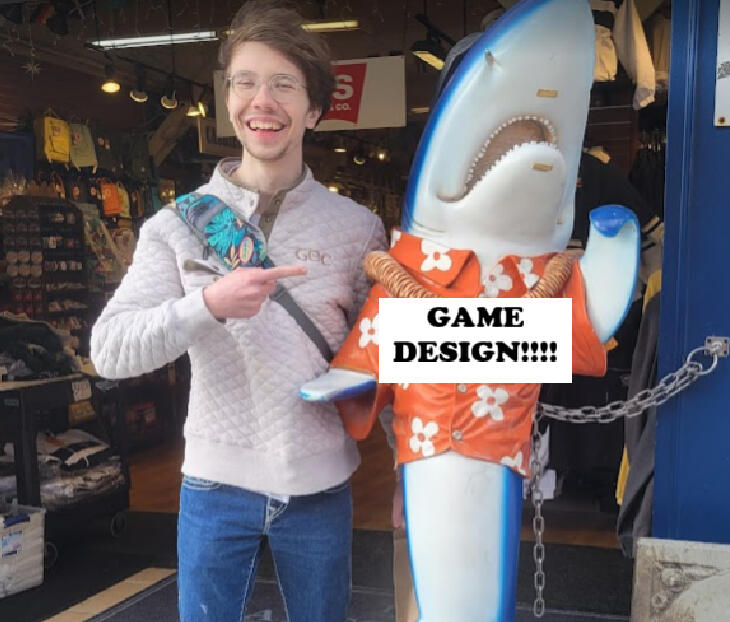
A Designer who breaks down complex systems through visual mapping and iterative analysis. Experienced across systems design, narrative hooks, UX/UI, and experiential design. Background in theatre informs approach to turning mechanical systems into immersive player experiences.Specializes in identifying design flaws through comprehensive and playtesting and analysis, then advocating for bold pivots when iteration isn't enough.

Sole Developer
Hybrid of billiards, pinball, and turn-based strategy where you play as Odysseus... but as a giant ball.🔮 Conveyed abstract mechanics through iterative UI
🔮 Built reusable UI base classes following DRY principles
🔮 Created several states for several different moving parts, ensuring all info that was changing was clear at every step
🔮 Implemented HUD communicating game state without text tutorials

Project Lead
Bullet-hell battle against nature where Cornboy expands farmland to make profit.🔮 Extensive FEEL integration for screen shake and impact frames
🔮 First project taking leading art role, learning visual polish impact
🔮 Designed area-control visualization clearly communicating territory
🔮 Created responsive damage feedback with health bar animations
🔮 Built menu systems with satisfying transitions and button interactions

Project Lead
Mischievous wizard steals from a grocery store, bouncing items for higher value while avoiding guards.🔮 Dedicated UI programmer and Designer, working with an Artist
🔮 Built component architecture with designer-friendly Inspector parameters
🔮 Integrated FEEL to adjust UI animations without code
🔮 Programmed bounce mechanic's 3D visualization
🔮 Established workflow: Figma mockup → flexible system → designer polish in Unity
Case Study (2/3) - Wireframes, Mockups, and Rapid Prototyping
"There Is No Speed Limit" Ideation
"Dreamscape" Redesign Proposal
"Kleptomancy" Brainstorm


The Problem
Design problems aren't solved in final implementation, they're solved through rapid visualization and iteration. Teams can waste time building features that don't work because they skip the mapping phase. Without mockups, feedback comes too late when changing direction is expensive.
My Approach
I use Miro boards, Figma, and Unity's FEEL asset to map out systems visually and rapidly iterate on experimental ideas before I touch any code.For Dreamscape, I mapped multiple wireframe iterations to visualize and test complex progression systems (aspect unlocks, combo trees, token challenges, bounce-mode) in Figma with interaction flows before any code was written.For projects like Cornboy and Balldyseus where I have more autonomy, I like to create a quik visual in Figma, followed by rapid iterations on each element in-engine, using FEEL and DoTWEEN to expedite the process and ensure my vision is not only achieved, but works when tested on another person
RESULT
Mockups become communication tool between team members. Designers see the vision clearly. Programmers understand what to build. Stakeholders give feedback early when changes are cheap. Implementation happens faster because everyone aligned on direction first.
WHAT I LEARNED
If I can't map it, I don't understand it well enough. Breaking down userflows and wireframes visually forces clarity. Soemthing that seemed obvious in my head can often wind up raising many questions when drawn out. The best design decisions come from seeing the whole picture, not just individual pieces. Figma and FEEL lets me fail fast and cheap, better to scrap a mockup than scrap implemented code.
Case Study (2/3) - Building Designer-Friendly UI Systems with FEEL & DoTween
"There Is No Speed Limit" Ideation
"Dreamscape" Redesign Proposal
"Kleptomancy" Brainstorm


The Problem
Designers want to iterate on UI feel (timing, easing, bounce) but asking programmers for every tweak creates bottlenecks. Simply exposing variables can also limit design iteration. Need architecture where designers work independently while maintaining consistency.
My Approach
Built component-based UI architecture separating behavior (code) from feel (designer-adjustable parameters). Created numerous FEEL sequences exposed in Inspector. Me and other Designers can rapidly iterate without touching code.For my current Senior Project, we have an established workflow where I build flexible systems from Figma mockups, then designers polish timing/feel directly in Unity. All UI elements follow same pattern: consistent behavior, customizable feel sequence for each behavior.
RESULT
90% of final polish comes from designer-driven adjustments that are independent of systems in code. When I'm designing UI, I can rapidly ceate functional mockups in-engine that can be tested and iterated. When I'm programming UI, I can hand off much of the minutia to the designer and give them the freedom to tweak things as they see fit so I can focus on new systems.
WHAT I LEARNED
Separate behavior from game feel. Use DOTween/FEEL for all animations exposed to Inspector. Create prefab variants for common types. Document parameter ranges so designers know safe adjustment limits. This pattern extends beyond to buttons, menus, HUD elements, transitions etc.
Case Study (3/3) - UI is the Tutorial
The Problem
Players skip tutorials, forget instructions mid-game, or feel overwhelmed by walls of text before playing. The UI should elegantly convey as much information as possible to keep tutorialization to a minimum.
My Approach
Balldyseus - Conveying Abstract Concepts: One of the most difficult challenges of Balldyseus was making the onboarding process as seamless as possible
RESULT
90% of final polish comes from designer-driven adjustments that are independent of systems in code. When I'm designing UI, I can rapidly ceate functional mockups in-engine that can be tested and iterated. When I'm programming UI, I can hand off much of the minutia to the designer and give them the freedom to tweak things as they see fit so I can focus on new systems.
WHAT I LEARNED
Separate behavior from game feel. Use DOTween/FEEL for all animations exposed to Inspector. Create prefab variants for common types. Document parameter ranges so designers know safe adjustment limits. This pattern extends beyond to buttons, menus, HUD elements, transitions etc.